
All-in-One BESS Technology Provider Delivers Turnkey Energy Storage Solutions
2026-11-01
Energy storage projects often collapse under the weight of mismatched components and unclear accountability. UNC removes that risk entirely—offering a single point of responsibility for turnkey BESS delivery, from battery racks to grid interconnection. No hand-offs. No excuses. Just a working system.
Single-Source BESS Delivery Without the Usual Chaos
Putting a BESS project together from five or six specialty vendors almost guarantees a messy interface somewhere: the battery racks arrive before the enclosures are poured, the inverter firmware clashes with the site controller, and the commissioning crew wastes two days chasing a wiring diagram that changed three revisions ago. Single-source delivery strips out those handoffs by making one integrator responsible for the container, power conversion, battery management, thermal design, and grid communication from the first drawing to the final handover.
The difference shows up most clearly during startup and closeout. Instead of juggling separate service tickets and waiting on a third-party battery supplier to approve a firmware patch, the same engineers who configured the system in the factory handle energization, protection checks, and performance runs. A well-run single-source project typically moves from mechanical completion to commercial operation in a matter of weeks, not months, because the commissioning script has already been rehearsed at the integrator’s facility.
That said, single-source only works when the provider owns the critical pieces rather than just brokering them. Look for a company that builds its own enclosures, writes its own EMS logic, and keeps a field team trained on the exact bill of materials you’re buying. A quick way to separate real capability from marketing is to ask for a reference where the same team supplied the battery, inverter, controls, and enclosure—then talk to that owner about change orders and startup surprises.
Pre-Integrated Systems That Cut Project Timelines
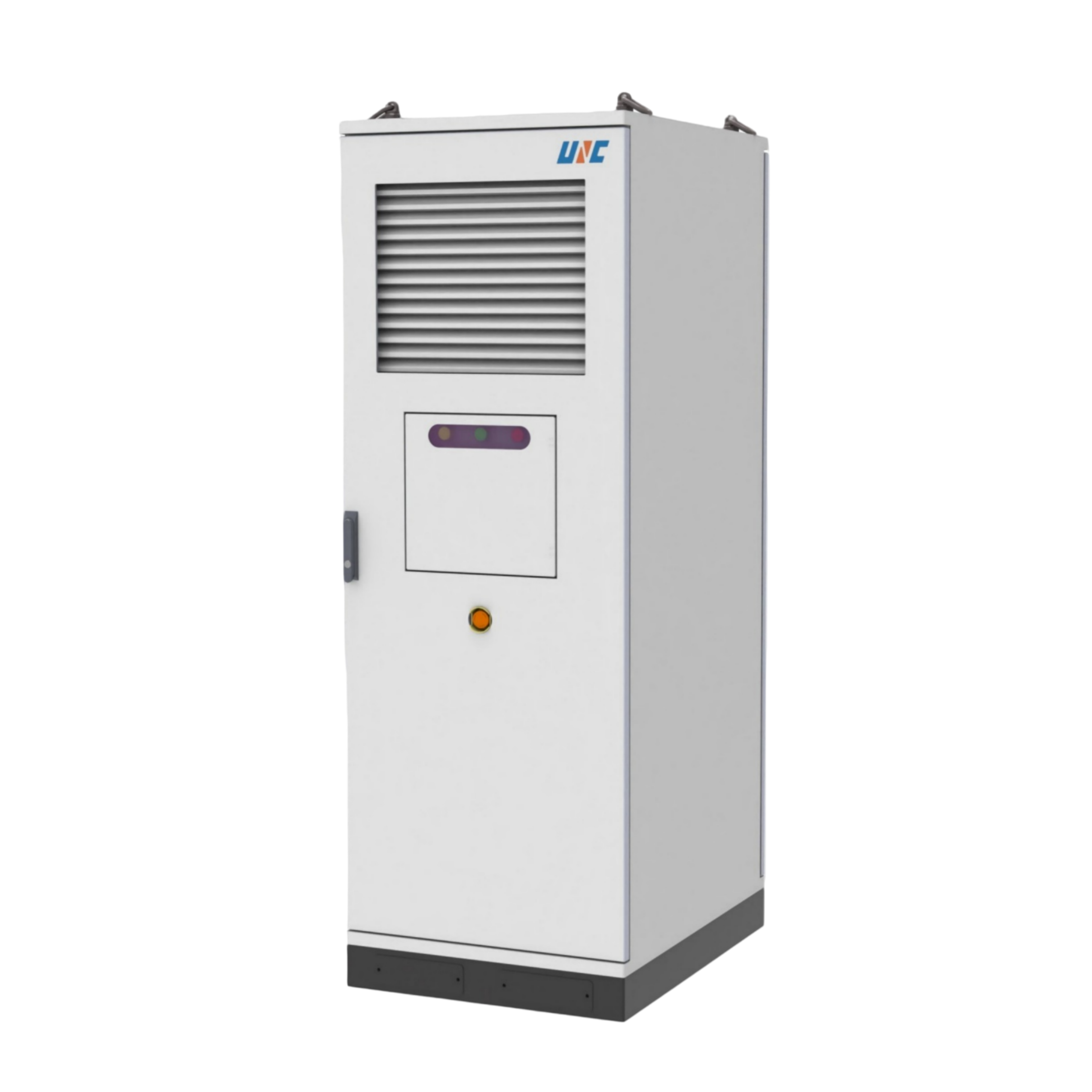
The real advantage of pre-integrated systems shows up the moment your team stops re-solving problems that have already been solved elsewhere. Instead of spending weeks wiring together sensors, controllers, and software from different vendors, you start with a stack where those pieces already talk to each other. That alone can pull a significant chunk out of a project schedule, especially for teams that don't have a dedicated integration specialist on hand.
What often gets overlooked is how much time goes into the back-and-forth of making standalone components behave. A pre-integrated package removes most of that trial and error because the interfaces, data formats, and power requirements are already aligned. Your engineers can move straight into configuring the system for the actual use case, rather than building a foundation from scratch. This shift tends to compress the middle phase of a project, where delays usually pile up.
There's also a quieter benefit: documentation and support reflect a system that was designed to work as a whole. Troubleshooting is faster because the failure points are better understood, and you're not chasing compatibility ghosts across multiple suppliers. For companies trying to hit tight deadlines, that reliability is just as valuable as the initial setup time saved.
One Contract, One Team, No Integration Gaps
Most projects stumble at the handoffs. The sales team promises one thing, implementation reads another, and support discovers a third version buried in email threads. One Contract, One Team, No Integration Gaps flips that. It means the same document that set expectations on day one stays open on the table through launch and beyond. No separate scopes, no reinterpretations, no quiet addendums.
That shared contract also keeps the actual working group honest. Engineers, account leads, and client-side stakeholders operate from identical language, so a question about latency or delivery dates doesn’t trigger three different answers. When someone spots a conflict, it gets resolved against the original agreement instead of becoming a political tug-of-war.
The practical payoff shows up in the details that usually fray: API formats, data ownership, change request thresholds, and the definition of “done.” Because those are written once and owned by the whole team, integration work stops being a series of patch jobs. It becomes a straight line from signed agreement to live system.
From Empty Site to Operating Storage in One Flow
A bare patch of graded earth becomes a working storage facility without the usual stop-and-start of separate contracts. The same crew that clears the land also lays the foundation, erects the steel, runs the electrical, and mounts the security cameras. There is no handoff meeting, no waiting for a different subcontractor to show up next week. Instead, the site transforms in a continuous sequence, each phase feeding directly into the next.
This single-flow approach removes the common points where timelines slip. Concrete trucks roll in while the last grading pass is still being finished. Insulated panels go up the same morning the frame passes inspection. The key is a preplanned material schedule that matches the actual pace of the crew, so nothing sits idle and nobody has to improvise. The result is a facility that opens its gates days or even weeks earlier than a traditional multi-vendor build would allow.
For owners, the benefit is not just speed but clarity. One team, one timeline, one point of responsibility from the first stake in the ground to the first tenant moving in. When a self-storage site goes from empty dirt to revenue-generating units in a single uninterrupted flow, every saved week becomes real income, not just a project milestone on a chart.
Stop Juggling Vendors: A Complete BESS Package
Managing a battery energy storage system shouldn't feel like herding cats. When you're stuck coordinating separate inverter suppliers, battery manufacturers, software developers, and integrators, every delay and finger-pointing session eats into your project timeline and bottom line. A complete BESS package changes that dynamic entirely — one partner, one contract, one point of accountability. Instead of playing referee between vendors who blame each other when something goes wrong, you get a pre-engineered, factory-integrated solution where the hardware, controls, and safety systems are designed to work together from day one. That means fewer sleepless nights wondering whose warranty covers what, and more confidence that your system will actually perform as promised.
The real advantage isn't just convenience — it's risk reduction. When components arrive from different corners of the globe with mismatched communication protocols and untested integration points, commissioning can drag on for months. A unified BESS package eliminates that guesswork. The battery modules, power conversion system, thermal management, and energy management software are all tested as a single unit before they ever reach your site. This plug-and-play approach slashes installation time, reduces the chance of costly rework, and gives you a clear line of sight into system health. You stop juggling spec sheets and start focusing on what matters: getting your storage asset online and generating revenue.
Think about the long game, too. When one vendor owns the entire system, upgrades and maintenance become straightforward. No more patchwork fixes where a software update from one supplier breaks compatibility with another's hardware. A complete package evolves as a cohesive whole, with a roadmap that actually aligns with your operational goals. For developers tired of the integration circus, this isn't just a product — it's a way to reclaim control over your project schedule, your budget, and your sanity.
Built as a Whole, Not Assembled from Parts
Most products start as a collection of separate components, each designed in isolation and later forced together with connectors, adapters, and workarounds. That approach often leaves seams: a lag here, a compatibility issue there, a user experience that never quite feels unified. We chose a different path. Every layer of this system was conceived at the same time, by the same team, with the same end goal in mind. The result is not a patchwork of borrowed parts but a single coherent design where each element exists because the whole demanded it.
Think of it like carving a shape from a single block of stone rather than gluing together fragments. When the hardware, the software, and the interface grow from one shared blueprint, they inherit the same assumptions, the same rhythm, and the same logic. There is no translation layer between what the user intends and what the machine actually does. No hidden handshakes between modules that were never meant to meet. The efficiency you feel is not optimised after the fact; it is native to the structure itself.
That unity changes how the product ages, too. Upgrades are not retrofitted into a fragile framework of dependencies; they propagate naturally because the underlying architecture was designed as an ecosystem, not a collection. The benefit is not just fewer bugs or faster performance. It is the quiet confidence that every action you take happens inside a single, uncompromised idea rather than across a table of compromises.
FAQ
It means the company handles the battery hardware, power conversion, controls, software, and system integration under one roof, so you don't have to stitch together multiple vendors.
A turnkey solution covers design, procurement, installation, commissioning, and often ongoing monitoring or maintenance, delivered as a ready-to-operate system.
With one party accountable for the entire system, compatibility issues drop, timelines align better, and there's a single point of contact if something goes wrong.
Yes, depending on the provider's product range, they often scale from commercial behind-the-meter units to larger front-of-meter installations.
Many all-in-one providers use lithium iron phosphate (LFP) because of its safety profile, long cycle life, and thermal stability, though some may offer other chemistries.
Timelines vary by size and site conditions, but a turnkey process often shortens delivery because engineering, procurement, and construction are coordinated from day one.
Providers often include remote monitoring, fault diagnostics, performance reporting, and service agreements to keep the system running efficiently over its lifetime.
It simplifies project management, reduces integration headaches, and ensures that each part of the system is designed to work together from the start.
Conclusion
A single provider now handles the entire battery energy storage process, removing the usual scramble of coordinating separate suppliers and engineering firms. Instead of stitching together components from different vendors and hoping they communicate, you get pre-integrated hardware and software that arrive ready for streamlined installation. This approach cuts project timelines because the system has already been matched and tested before it reaches the site. With one contract and one responsible team, there are no gaps between design, controls, and commissioning—everyone works from the same drawings, same schedule, and same performance targets.
The shift from an empty plot to a functioning storage asset happens in one continuous flow, without the stops and starts that come from waiting on multiple deliveries or resolving interface disputes. You stop juggling vendors because the complete package includes everything from enclosures and inverters to energy management and grid compliance support. Because the solution is built as a whole rather than assembled from parts, it behaves as a single system during startup and daily operation. The result is a cleaner handover, fewer punch-list items, and a storage facility that reaches revenue service faster than the piecemeal alternative.
Contact Us
Contact Person: Manager Leng
Email: [email protected]
Tel/WhatsApp: 8613764878967
Website: https://www.unc-energy.com