Bag-in-Box Wine Manufacturers: Revolutionizing Eco-Friendly Packaging for Premium Wines
2026-08-06
Imagine uncorking a premium wine weeks later to find it just as fresh as day one. That's the promise of bag-in-box technology, and Kody is leading the charge. Gone are the days when eco-friendly meant compromising on quality—today's innovative packaging protects your wine from oxidation while slashing carbon footprints. Curious how a simple box can revolutionize your wine experience? Here's what's pouring.
Why premium winemakers are ditching the bottle
Walk into a high-end restaurant or a boutique wine shop today, and you might notice something surprising: some of the most prestigious labels are moving away from traditional glass bottles. It’s not just a gimmick—premium winemakers are seriously embracing alternative packaging like bag-in-box, cans, and even lightweight PET bottles. The shift reflects a deeper change in how they think about quality, sustainability, and the drinking experience.
Glass bottles have long been the default, but they come with a hefty environmental footprint. Producing, transporting, and recycling glass requires immense energy, and the weight adds significant carbon emissions during shipping. For winemakers who champion terroir and nature, that contradiction has become hard to ignore. By switching to alternative formats, they can dramatically reduce their carbon footprint without compromising the integrity of the wine. Advanced linings and oxygen barriers now ensure that the liquid inside stays fresh and vibrant, sometimes even better than cork-sealed bottles.
There’s also a cultural shift happening. Younger drinkers don’t carry the same baggage about what “premium” packaging should look like. They’re more open to enjoying a great Chenin Blanc from a can at a picnic, or having a high-end Burgundy on tap at a wine bar. For winemakers, this opens up new contexts where their wines can be enjoyed, without the formality or waste of a bottle. It’s a quiet revolution—one that puts the focus back on what’s inside, not the glass around it.
The hidden environmental math behind your wine glass
Most of us never think about the numbers tied to a single pour. A typical wine glass carries a surprisingly heavy environmental footprint before you even take a sip. The glass itself demands temperatures around 1,500°C to melt raw materials like sand, soda ash, and limestone—processes that release close to one kilogram of CO₂ for every two glasses manufactured. Then there’s the water footprint: from vine to rinse, some estimates peg the total at over 100 liters per glass, factoring in irrigation, cleaning, and processing.
Transportation adds another layer of hidden math. A bulk shipment of wine might travel thousands of kilometers, but the clink-worthy glass is often made in a different country entirely, multiplying fuel use. Even washing it matters—commercial dishwashers can use more energy and water per glass than you’d guess, especially in large restaurants where glasses are polished repeatedly each night. When you tally it all up, the humble wine glass turns out to be a quiet champion of resource consumption.
How a bag keeps wine fresher than a cork ever could
It’s easy to assume that a cork’s charm lies in its tradition, but when it comes to preserving the soul of an open bottle, it often falls short. Even the best natural corks can’t fully prevent oxygen from slowly creeping in, gradually flattening delicate aromas and turning a vibrant wine into a shadow of itself. A bag-in-box system, on the other hand, handles this differently. The flexible bag collapses around the remaining wine as you pour, leaving no room for air to enter. There’s no headspace for oxygen to occupy, so the wine stays protected sip after sip.
The magic isn’t in the material alone—it’s in the mechanics of the tap. With a cork, every time you pull it out, you invite a fresh rush of air that accelerates oxidation. A bag’s tap operates as a one-way valve, letting wine out but keeping air from getting in. This means the last glass tastes remarkably close to the first, even weeks after opening. It’s a simple reversal of logic: instead of trying to seal a rigid container against an invisible enemy, the bag removes the battlefield entirely.
Beyond the science, there’s an everyday practicality that corks simply can’t match. No need to store the bottle upright, no concerns about cork taint, and no ritual of sniffing for musty surprises. The bag’s format quietly preserves freshness without the ceremony, making it an unexpectedly brilliant companion for anyone who wants a reliable glass without the pressure to finish the bottle. It’s not just an alternative; it’s a rethinking of how wine lives after opening.
From backpack to banquet: the new face of bag-in-box
Once relegated to camping trips and budget-friendly boxed wine, the bag-in-box has quietly undergone a metamorphosis. Modern packaging innovations and a surge in premium offerings have transformed this humble container into a sophisticated choice, equally at home in a stylish kitchen or a candlelit dinner party. The very design that made it portable and unbreakable now serves a new purpose: preserving the integrity of high-end wines, cocktails, and even artisanal olive oils for weeks after opening, without a hint of oxidation. It’s a quiet revolution, where practicality meets refinement, and the backpack staple becomes the centerpiece of a banquet table.
Leading this shift are producers who see beyond the cardboard exterior. They’re filling these airtight bladders with small-batch rosés, craft negronis, and single-origin cold brews, each label telling a story of terroir or craftsmanship. The eco-conscious applaud the reduced carbon footprint—lighter packaging means fewer emissions during transport—while hosts delight in the effortless dispensing, a built-in tap that turns any gathering into a self-serve tasting. No corkscrews, no wasted leftovers, just a sleek box that belies its contents until the first pour draws admiration.
It’s this duality that captures the moment: a format born of utility, now embraced for its ability to elevate everyday moments. Whether it’s a picnic with a view or a formal dinner with friends, the bag-in-box has shed its old reputation, proving that good things can indeed come in clever packages. And as more connoisseurs discover the joy of a perfectly preserved vintage from a spout, the line between casual and refined continues to blur, one glass at a time.
When less packaging means more luxury
There’s a quiet confidence in a product that doesn’t scream for attention. When packaging is stripped back to the essentials, it forces every detail to be deliberate: the weight of the box, the texture of a single unbranded card, the soft rustle of tissue that feels almost personal. Luxury here isn’t shouted through metallic foils or rigid structures—it’s whispered in the restraint.
This shift isn’t about minimalism for its own sake. It’s about respecting the intelligence of the recipient. Overdesigned packaging often compensates for something, while a sparse, thoughtful presentation says, “What’s inside speaks for itself.” It mirrors the way haute cuisine turned away from heavy sauces to let single, perfect ingredients shine. The absence of clutter becomes a sign of true worth, turning unboxing into an intimate reveal rather than a spectacle.
Environmentally conscious choices amplify this effect without being the main narrative. When materials feel organic, natural, and unforced, they suggest that the brand cares about substance over façade, aligning with a modern understanding of luxury as something that doesn’t need to leave a mark—on the planet or on the ego.
The logistics revolution that’s quietly reshaping wine country
Beneath the rolling vineyards and rustic tasting rooms, a silent transformation is taking root. Advanced warehousing hubs equipped with climate-controlled storage now sit at the edge of wine country, allowing producers to bypass traditional distribution bottlenecks. These facilities use real-time temperature and humidity monitoring to preserve delicate flavor profiles, ensuring that a Sonoma Pinot arrives in Manhattan with the same vibrancy it had at the cellar door.
The shift extends well beyond storage. Route optimization software, once the domain of urban parcel delivery, is now being tailored to the unique demands of wine logistics. Algorithms account for bottle fragility, regulatory variances across state lines, and even the seasonal surge in direct-to-consumer shipments. Small wineries that once struggled with the complexity of multi-state compliance can now reach customers nationwide with a few clicks, their cases moving through a network that treats each bottle as a perishable, high-value asset.
Perhaps most striking is the rise of hybrid fulfillment models. Tasting rooms have morphed into micro-distribution centers, where visitors can order a mixed case and have it assembled from an off-site reserve and shipped within hours. This blending of hospitality and logistics not only deepens customer loyalty but also slashes the carbon footprint associated with traditional wine supply chains. The revolution is quiet, but it is fundamentally altering how wine flows from soil to glass.
FAQ
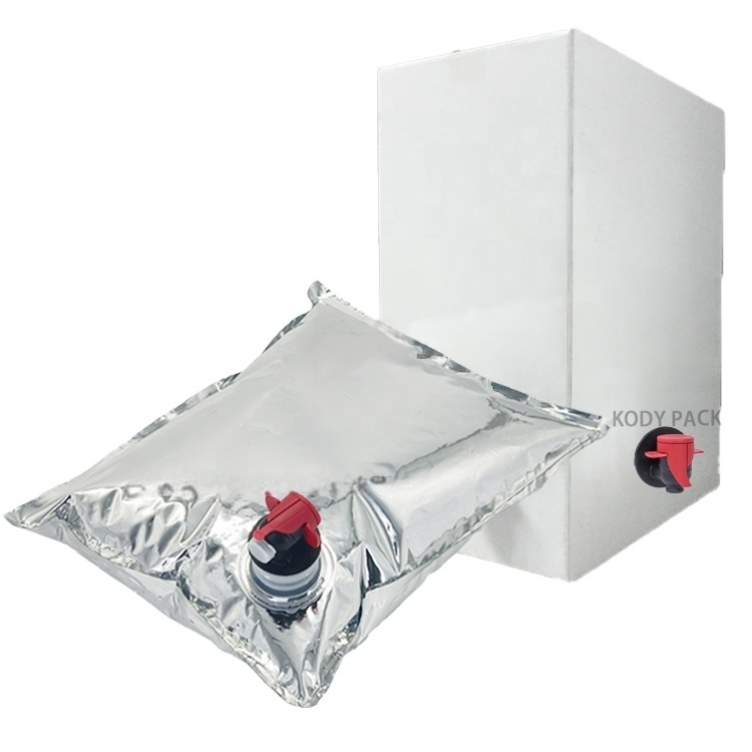
Bag-in-box packaging consists of a flexible inner bladder, typically made from multiple layers of food-grade plastic with an oxygen barrier, housed inside a cardboard box. The bag collapses as wine is dispensed through a tap or spigot, preventing air from entering and keeping the remaining wine fresh for weeks.
Manufacturers are developing advanced oxygen-barrier technologies and using materials like ethylene vinyl alcohol (EVOH) linings to protect delicate aromas. They're also offering smaller, elegant formats (like 1.5L or 3L) with sleek exterior designs that appeal to premium wine consumers.
The packaging is significantly lighter, reducing transport emissions by up to 80% compared to glass. It takes less energy to produce and recycle, and the compact format means more wine fits in a shipment. Additionally, many boxes are made from recycled cardboard, and the overall carbon footprint is about half that of the equivalent volume in bottles.
Once opened, bag-in-box wines stay fresh for 4 to 6 weeks due to the oxygen-free dispensing mechanism, whereas bottled wine oxidizes within days. Unopened, the shelf life is typically 6 to 12 months, making it ideal for consumers who enjoy a glass occasionally without waste.
While early adopters focused on everyday table wines, now you'll find premium bag-in-box options across varietals like Chardonnay, Pinot Noir, and Provence-style rosé. Many producers are even offering organic and biodynamic wines in this format, targeting eco-conscious consumers seeking quality without compromise.
By partnering with respected wineries, using high-end design, and educating consumers about the preservation benefits, manufacturers are repositioning bag-in-box as a smart, sustainable choice. Tasting events and awards specifically for alternative packaging also help build credibility in premium markets.
Future developments include fully recyclable mono-material bags, smart taps with portion control or temperature indicators, and even augmented reality labeling on boxes. Some companies are exploring bio-based plastics to further reduce reliance on fossil fuels.
Yes, because the materials and shipping are cheaper, and the format reduces breakage. Wineries can pass savings to consumers or invest more in grape quality. A well-designed box can enhance shelf appeal and storytelling, aligning with modern values of sustainability and practicality.
Conclusion
A quiet revolution is unfolding in the wine world, and it’s not happening in the vineyard or the cellar—it’s in the packaging. Premium winemakers, once staunchly devoted to heavy glass bottles, are increasingly turning to bag-in-box solutions that slash carbon footprints without compromise. The environmental math is startling: a typical glass bottle accounts for nearly half of a wine’s total carbon emissions, mostly from production and transport. Swap that for a lightweight, recyclable bag and cardboard carton, and you can cut a wine’s carbon impact by up to 80%. This isn’t just a nod to sustainability trends; it’s a fundamental rethinking of how fine wine travels from producer to table. And because a filled bag collapses as wine is poured, it eliminates the oxygen exposure that plagues cork-stopped bottles, keeping the last glass just as vibrant as the first for weeks longer.
Beyond the green credentials, bag-in-box packaging is reshaping the very culture of wine drinking. Once limited to camping trips and budget pours, the format now graces elegant dinner parties, picnic blankets, and even high-end banquets, shedding its former stigma. The collapsible design, snug-fitting tap, and reduced packaging weight together offer a sleek, modern luxury that values substance over form. It’s a luxury that asks, “Why let packaging dictate the experience?” Meanwhile, in wine regions worldwide, a quiet logistics makeover is underway: trucks that used to haul heavy glass are now carrying far more wine per shipment, reducing costs, road mileage, and warehouse demands. This shift is no fad—it’s a smarter, fresher, and more responsible way to enjoy a glass, proving that sometimes, less really is more.
Contact Us
Contact Person: Cindy Lee
Email: [email protected]
Tel/WhatsApp: 8613622669331
Website: https://www.dgkody.com