
Best Cardio Equipment for a Home Gym You'll Actually Use
2026-10-18
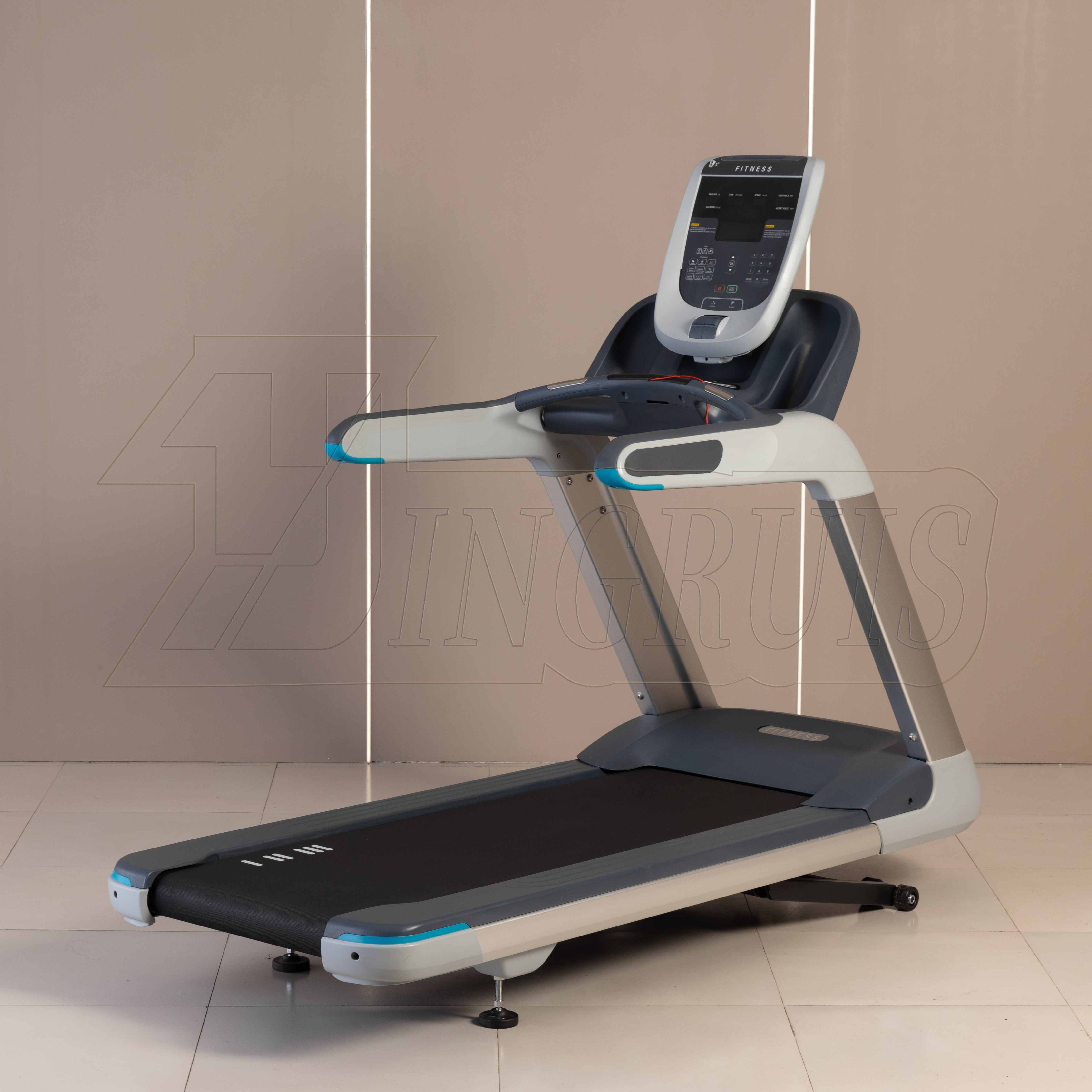
Most home cardio gear ends up as expensive clothes hangers. If you're tired of buying machines that only work for two weeks of January enthusiasm, you're not alone. The real test isn't the demo video or the max incline—it's whether the equipment fits into your actual daily routine. Below, we'll break down the cardio machines that pass that test, based on how real people sweat at home. And if you want options that pair smart design with durability, Yingruis makes it easy to find a machine you'll keep using long after the novelty wears off.
The Cardio Machines That Won't End Up as Clothing Racks
Most home cardio equipment meets the same quiet end: draped with shirts, dust collecting on the console. The machines that dodge this fate aren't necessarily the most expensive or feature-packed—they're the ones that fit the way your body actually likes to work. If you hate steady jogging but buy a treadmill because it feels like the 'proper' choice, you've already lost. A rower with a smooth, heavy pull or a fan bike that lets you go all-out for 30 seconds can create the kind of physical release you'll come back to without forcing discipline.
Pay attention to how a machine slots into your real day, not a fantasy routine. A compact stepper under a standing desk gets used during conference calls; a bulky elliptical in the garage becomes an obstacle before it becomes a habit. Short, repeatable sessions beat heroic weekly marathons. If the machine needs special shoes, a warm-up ritual, or a subscription app just to feel worthwhile, that friction adds up. The ones that stay in rotation are simple to start, easy to adjust, and satisfying enough that you might even choose them over the couch on a tired Tuesday.
Noise and maintenance matter more than pulse sensors or built-in fans. A magnetic resistance bike with a belt drive runs quiet enough to use while watching a show without subtitles, and it rarely complains. Machines that rattle, squeak, or demand frequent tightening become background annoyances you start avoiding. Before you buy, picture the machine at month four: if you can see the seat still warm and the only fabric on it being your workout towel, you've likely found the exception to the clothing rack rule.
What Actually Gets Used When Space Is Tight
When every shelf and drawer is already spoken for, you quickly learn the difference between what you own and what you actually reach for. The bulky food processor that seemed essential in a big kitchen becomes dead weight in a studio apartment. Instead, a single sharp chef's knife, a small cutting board, and one well-seasoned skillet handle ninety percent of real cooking. The rest is just noise taking up precious cubic inches.
Storage bins and organizers sound like the solution, but often they just create a more orderly version of clutter. In a cramped space, what survives is whatever works without extra steps. A step stool that doubles as a seat, a wall-mounted magnetic strip for frequently used tools, a single drawer organizer that holds only the five utensils you use daily — those earn their place. Anything that requires unpacking, unstacking, or digging through other things gets ignored until it's eventually donated.
Even sentimental items get filtered through a ruthless lens. You don't need all forty childhood drawings, just the two that make you smile. Framed photos rotate seasonally rather than hanging permanently. The book you've been meaning to read for three years? It's taking up space that could hold tonight's dinner ingredients. Tight quarters force a kind of honesty about what actually matters, and it's rarely the thing you thought you couldn't live without.
Budget-Friendly Options That Don't Feel Cheap
There’s a quiet satisfaction in finding a leather tote that costs less than a dinner out but still turns heads at the office. The trick isn’t chasing flashy logos—it’s focusing on texture, stitching, and weight. A bag with a structured base and tightly woven lining often reads as far more expensive than it is. I’ve learned to inspect corners and hardware before checking the price tag; those details separate a genuine bargain from something that will peel within a month.
Thrift stores and estate sales remain unbeatable for this, but they require patience. If you’re short on time, set alerts for end-of-season clearances at mid-range brands—they often drop prices on wool coats and ceramic tableware without sacrificing quality. Another underused move: buy from places that outfit restaurants or hotels. Commercial-grade linens, glassware, and cutlery are designed for heavy use yet cost a fraction of designer counterparts. The result feels curated, not compromised.
Quiet Enough for Apartment Living (and Early Mornings)
Most mornings start before sunrise, and the last thing you want is a machine that sounds like a jet engine while the rest of the building sleeps. This unit runs at a low hum that fades into the background, closer to a soft fan than a blender. You can grind beans at 5 a.m. without worrying about thin walls or sleepy neighbors.
The motor is dampened with rubber mounts and a slower gear reduction, which cuts the sharp whine common in cheaper grinders. Instead of a high-pitched screech, you get a steady purr that lasts only a few seconds. It won't wake a baby in the next room or make your partner glare from the bedroom doorway.
For apartment dwellers, the real test is repeated use. Even back-to-back shots for two people stay well under conversation volume. You can leave it on the counter without adding foam pads or hiding it in a pantry. Early mornings stay quiet, and that makes the whole ritual feel a little more civil.
Folding, Rolling, and Stashing: Gear That Disappears
There’s a quiet satisfaction in watching a well-designed piece of kit vanish into itself. Not just pack down, but truly disappear—folded flat, rolled tight, or tucked into a pocket you’d never guess was there. This is gear that respects your space, whether you’re living out of a carry-on, cramming a daypack for a summit push, or just trying to keep the hallway closet from swallowing you whole. It’s not about minimalism for its own sake; it’s about cleverness. A jacket that balls into its own chest pocket. A water bottle that flattens like a pancake when empty. A duffel that stows into a sleeve the size of a paperback. These are the objects that reward you twice: once when you use them, and again when you put them away.
The real trick isn’t just the fabric or the hinges—it’s the design logic. A good disappearing act starts with a seam that doubles as a compression point, or a strap that turns into a stuff sack. Take the classic packable tote: it doesn’t just fold; it folds along pre-creased lines that make the final shape smaller than the sum of its panels. Or a sleeping pad that rolls into a cylinder because the valve is positioned to bleed air in a spiral, not a chaotic puff. Even something as simple as a beanie can disappear if the knit is fine enough to slip into a coin pocket. The best designs hide their functionality in plain sight. You think you’re just unzipping a collar, but you’re actually releasing a hood that was folded into the lining. You think the bag has a side pocket, but it’s the bag itself turned inside out.
Of course, not all disappearing gear is created equal. The cheap stuff folds, but it fights you the whole way—stiff zippers, awkward origami, a stuff sack that’s always five percent too small. The good stuff feels almost ambient. You roll it without looking, muscle memory from the tenth use, and it snaps into place like it was always meant to be that small. That’s the highest praise: a piece of gear you can forget about until you need it, then forget about again once it’s stowed. Because the best travel companion isn’t the one that demands attention. It’s the one that disappears, and leaves you with just the day ahead.
Beyond the Treadmill: Underrated Cardio Tools for Home
Treadmills eat up floor space and rarely deliver the fun they promise. A jump rope, by contrast, costs less than a takeout meal and gives you a cardio hit that leaves you gasping within minutes. Skip the fancy footwork at first—just find a rhythm, stay light on the balls of your feet, and work in short bursts. It's also surprisingly meditative once you stop tripping over the rope.
Slide boards are even more overlooked. The movement is deceptively simple, but after thirty seconds of side-to-side gliding your outer hips and adductors are awake in ways running never touches. Toss in a low squat hold and you'll feel the burn build fast. It's low-impact enough for bad knees but intense enough to leave a puddle on the floor.
Battle ropes don't get enough credit for home use. They do require a bit of space and an anchor point, but the payoff is huge—constant wave motion drives your heart rate skyward while your arms, shoulders, and core fight to keep the ropes moving. Try ten seconds of full-speed waves followed by twenty seconds of rest. Repeat that eight times and tell me you miss the treadmill.
FAQ
A rowing machine, but only if you actually enjoy the motion. It works your legs, back, and arms at once, so the workout feels more complete than pedaling or stepping. People who stick with rowers tend to be those who like feeling a full-body burn rather than just killing time. If you hate rowing, a fan bike might be the second-best option because you can go hard for 10 minutes and be done.
Look for magnetic resistance options—they're nearly silent. A compact magnetic upright bike or a magnetic rower with a folding frame is ideal. Avoid belt-driven treadmills if you're on an upper floor because foot strikes travel through the floor. If you want a treadmill anyway, get a walking pad and place it on thick gym tiles, but expect some vibration.
For that use, a basic folding treadmill under $600 can be fine—just don't expect it to last more than a few years with daily jogging. If you walk daily, the motor matters less than the belt comfort. Look for a deck with decent cushioning and a belt that doesn't slip. You'll likely use it more if you set it up facing a TV or window, because walking in place gets boring fast.
An elliptical is usually easier on the knees because your feet never leave the pedals, so there's no impact. A rower is low-impact too, but the deep knee bend can irritate some people if they don't have the flexibility or if they push too hard. If knee pain is your main concern, try an elliptical first and keep the resistance low to moderate. If your knees ache from sitting, a recumbent bike might be even gentler.
For home use, avoid the sub-$300 big-box store machines unless you're okay replacing them every two years. A decent magnetic resistance bike or rower starts around $500 to $800 and can last 7–10 years with minimal maintenance. Commercial-grade machines like Concept2 rowers or higher-end spin bikes hold their value and rarely break, but you'll pay $1,000 or more. If you're on a budget, buy a used commercial piece from a gym closing or marketplace—it's usually better than a new cheap model.
Yes—a jump rope and a set of adjustable dumbbells can give you more conditioning than a $1,500 elliptical if you use them consistently. Circuit-style work like 30 seconds of jumping, 15 seconds rest, repeated 10 times, is brutally effective and takes up a drawer. If jumping isn't an option, a low step platform and a weighted vest for walking stairs works well. The key is intensity; you don't need a machine to get your heart rate up.
Pay attention to resistance type (magnetic is quiet and smooth), weight capacity, and whether the display gives you basic metrics like time, distance, and calories without needing a subscription. Heart rate monitoring via a chest strap is useful; built-in grip sensors are usually inaccurate. Touchscreens, built-in fans, and Bluetooth speakers are nice but don't affect the workout. If a machine only works with a paid app, think twice—you don't want a brick after the free trial ends.
Conclusion
The smartest home cardio purchase isn't the one with the most features—it's the one you'll still be using six months from now. Too many treadmills and ellipticals become expensive clothes hangers because they're loud, bulky, or just boring. The gear that actually earns its footprint tends to be compact, surprisingly quiet, and easy to move. Look for folding rowers that stand upright in a corner, magnetic-resistance bikes with belt drives that won't wake a sleeping roommate, and under-desk steppers that slide under the couch. Budget-friendly doesn't have to mean flimsy; a solid steel frame and smooth magnetic resistance can outlast a premium machine that sits unused. A machine that solves your actual problems—noise, space, storage—will win over one that just looks good on paper.
When space is tight, the best cardio tools hide in plain sight—or in a closet. A folding treadmill with transport wheels, a wall-mounted pull-up bar with suspension straps, or a set of adjustable dumbbells paired with a jump rope can deliver serious conditioning without dedicating a whole room. And don't overlook underrated options like stair steppers, mini trampolines, or rowing machines, which often beat the treadmill for full-body engagement and joint-friendly movement. If it's quiet enough for early mornings, stashes away in seconds, and challenges you without feeling cheap, that's the piece you'll actually use—not the one gathering dust. That's the difference between a purchase and a habit.
Contact Us
Contact Person: Owen Wu
Email: [email protected]
Tel/WhatsApp: 86-15376736259
Website: https://www.yingruisfit.com/
