
Best Cutter Suction Dredger Manufacturer Traits That Define Industry Leaders
2026-09-17
Most cutter suction dredger buyers focus on horsepower and forget the quieter traits that determine whether a dredge is still profitable after 5,000 hours. That's exactly why the best manufacturers are rarely the loudest. They obsess over impeller clearances, pump casing metallurgy, and the ease of replacing a cutter head at 2 a.m.—details that separate industry leaders from companies that simply assemble parts. In this post, we break down those defining traits. And if you've followed the market closely, you'll see the same standards mirrored in YaKai Dredger, a manufacturer that builds with these leadership qualities rather than just listing them on a brochure.
The Yard Floor Reveals More Than the Spec Sheet
Stepping onto the yard floor for the first time, you stop looking at the printed numbers. The way the surface catches morning light, the faint give underfoot after a rain, the way it holds heat well past sunset—none of that shows up on a data sheet. A spec can list compressive strength or slip resistance, but it can't describe how the texture changes under bare feet or how the color shifts from one hour to the next.
Durability claims sound impressive until you drag a heavy planter across the surface and watch what happens. That kind of test tells you whether the finish will still look intentional in five years or whether it will show every scuff as a small regret. Real use exposes things like edge chipping near drains or a subtle hollow sound in one corner that hints at an uneven base.
And then there's the quiet stuff. How quickly water finds its way off after a downpour. Whether leaves leave stains if they sit too long. Whether the floor feels welcoming in winter or turns into something you avoid. None of that makes it onto a glossy summary, but it all shapes what the space becomes.
Why the Best Cutterheads Use Fewer, Stronger Teeth
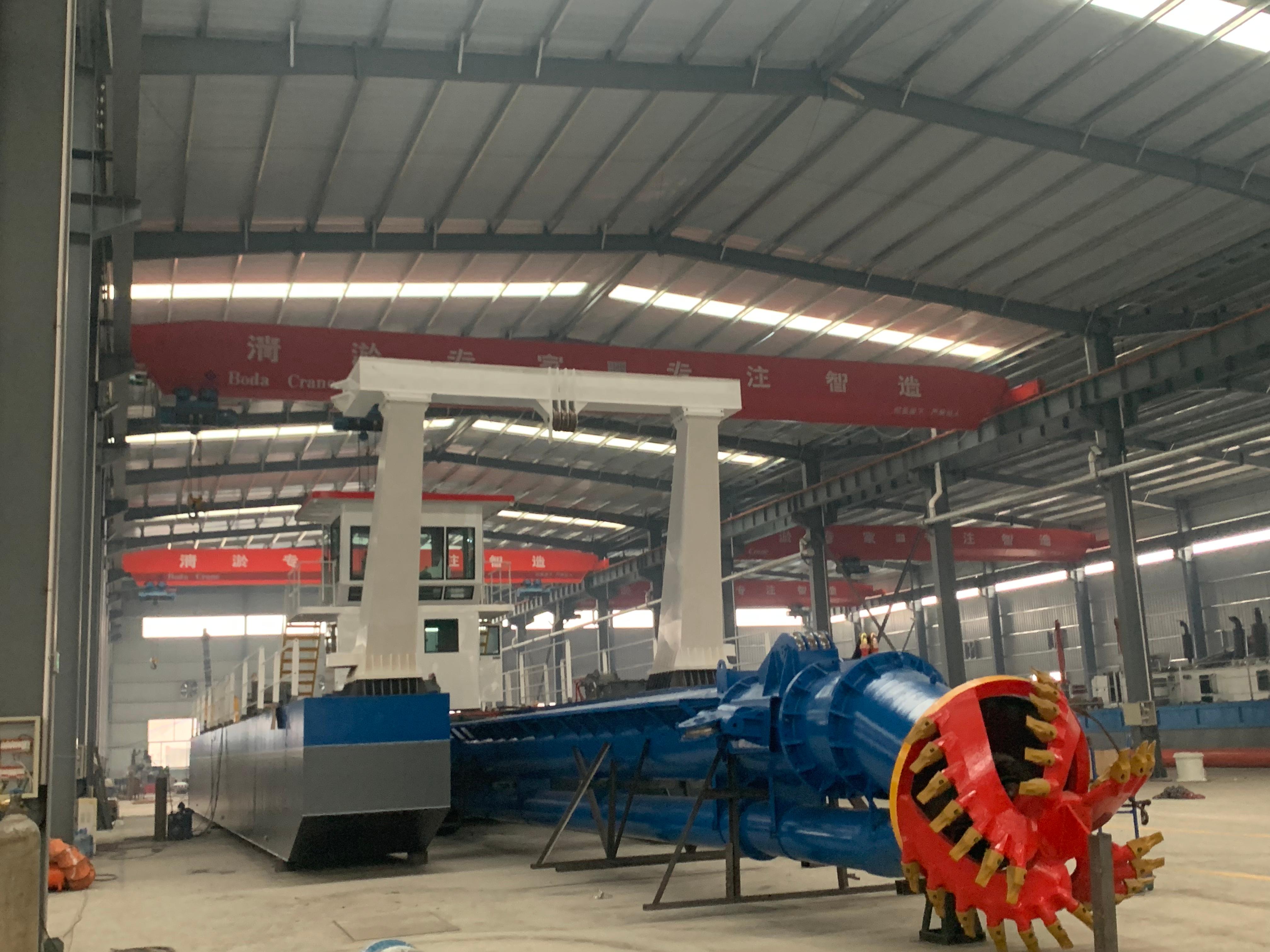
A cutterhead packed with teeth might look aggressive, but it often creates more problems than it solves. When each tooth is tiny and closely spaced, chips get trapped, heat builds up, and the cutting edge dulls quickly. By using fewer teeth that are substantially thicker and stronger, the head allows each cutting edge to take a real bite. The chips clear out immediately, so the tool stays cooler and the workpiece doesn't get scorched.
There's also the matter of durability and balance. A six-tooth head with heavy-duty carbide inserts can run for far longer between sharpenings than a twenty-tooth head with fragile tips. Fewer edges mean fewer points of failure, less vibration, and easier setup. In practice, this translates to faster feed rates and a smoother finish, simply because the cutting forces are concentrated on the strongest possible edges instead of spread thin across a weak crowd.
How Top Yards Handle the Suction Line Before Launch
Top yards don't treat the raw water suction line as an afterthought. Before the hull ever touches the water, the hose is pulled, inspected for soft spots or internal delamination, and double-clamped at both the seacock and the strainer. A yard that skips this step risks sinking a boat at the dock.
The seacock itself gets cycled several times while the boat is still on the hard. If it's stiff or corroded, it's rebuilt or replaced. The strainer basket comes out, gets rinsed, and the gasket is checked. Some yards fill the strainer with water to prime the pump, which catches air leaks before launch.
Finally, the line is tagged with a small zip tie or flag at the seacock handle as a visual cue. The launch crew knows the seacock stays closed until the boat is floating and the engine is ready to be started. That simple habit prevents a forgotten open seacock from turning a routine splash into an emergency.
The Automation Suite That Earns Its Place at the Helm
Most automation tools sit in the corner, quietly doing what they're told until something breaks. This one behaves differently. It doesn't just follow a script—it learns the rhythm of your operations, anticipates friction points, and steps in before small issues turn into stalled workflows. The result is a system that feels less like a utility and more like a seasoned first mate who already knows the course.
What really sets it apart is the way it handles ambiguity. Instead of freezing when a process deviates from the expected path, it weighs context, checks available resources, and makes a judgment call—then logs that decision so you can review or override it later. That balance between autonomy and accountability is rare. You'll notice it in the details: a report that arrives five minutes before the meeting, a batch job that reorders itself after a supplier delay, a notification that only reaches the person who actually needs to act.
Teams that adopt it often describe the same shift: the automation stops being a background utility and becomes a trusted part of daily planning. Meetings start with what needs attention instead of what went wrong overnight. Handoffs between departments lose their usual gaps. And when someone suggests a new process, the first question is no longer “can we automate this?” but “how soon can we teach it to the suite?” That's when you know it has earned its place at the helm.
A Hull That Keeps Digging When the Waves Pick Up
The hull's entry section is cut with a fine, almost sharp forefoot that refuses to skim over building swells. Instead of lifting and slamming, it parts the water and settles into the trough, keeping the propellers buried and the rudder biting even as the sea stacks up. That digging action comes from a combination of moderate deadrise aft and a slightly concave bow profile, which together shift the center of buoyancy forward just enough to hold the bow down without burying it.
In a following sea, the same traits prevent the stern from being shoved around. The boat tracks through the back of each wave rather than surfing uncontrollably, and the hull's shoulder throws spray low and wide. It's a deliberate trade-off: top-end speed on flat water gives up a knot or two, but the payoff is a hull that stays connected to the water when the conditions turn sloppy.
The Service Record That Matters More Than the Warranty
A warranty promises coverage for a set period, but it rarely tells you how the product was actually treated. The service record, on the other hand, is a living log of every oil change, software update, and component replacement. It reveals whether the owner followed maintenance schedules or simply waited for warning lights. Buyers who skip this document often inherit hidden neglect that no warranty will ever fix.
When two used machines sit side by side, the one with lower mileage and no history is usually the riskier purchase. A thick folder of invoices and checklists shows that someone cared enough to document the small stuff. That habit translates into fewer surprises down the road. A warranty can expire, but a complete service record keeps paying dividends by telling you exactly what to expect next.
Smart owners treat the service record as a form of insurance that doesn't lapse. They note the date, the parts used, and even the technician's observations. Doing so creates a paper trail that boosts resale value and simplifies troubleshooting. In the long run, a well-kept log is far more useful than a glossy warranty certificate tucked in a drawer.
FAQ
A genuine leader rarely leads with sales talk. Instead, you'll notice a deep engineering bench, designs refined through thousands of operating hours, and a willingness to walk you through past failures as openly as successes. The strongest builders treat dredger performance as an ongoing conversation, not a one-time transaction.
Look beyond spec sheets for in-house hydraulic and structural analysis, plus the ability to simulate wear patterns before cutting steel. The best teams combine naval architecture with mechanical and materials expertise under one roof, so changes to the ladder, pump, or hull don't create unexpected bottlenecks during commissioning.
It's often the difference between a dredger that works and one that works profitably. Leading manufacturers don't push a standard hull onto every project. They adjust pump clearances, spud systems, and cutter drives around your soil type, draft limits, and production targets, even if that means redesigning a bracket or rerouting piping.
Support is where many builders quietly fall short. True leaders treat the handover as the starting point, not the finish line. That means remote diagnostics, honest advice on spare parts that actually wear, and field engineers who can troubleshoot a cutter drive without blaming the operator. Downtime costs more than the initial price difference.
Because dredging is essentially controlled destruction of metal. Leaders know that a cheaper liner or impeller can turn a three-month job into a six-month headache. They use hardened alloys, ceramic coatings, and replaceable wear parts not as upsells, but as part of the original build, because replacement time in a remote site is brutally expensive.
Ask for the names of operators who ran similar dredgers in similar soils, then call them directly. Request maintenance logs, not just brochures. A confident builder will also welcome a visit to a live job site or service yard. You learn more from grease stains, weld quality, and how the crew talks about the machine than from any polished presentation.
Watch for full assembly before shipping, not just component testing. Leaders align the pump, gearbox, and engine on the factory floor, then run the complete dredger under load. They also inspect critical welds with ultrasound or dye penetrant and keep traceability records for plate material. Shortcuts here show up later as cracks or misalignment.
They rarely chase novelty for its own sake. Instead, they refine one subsystem at a time—maybe a lighter ladder, a more efficient cutter profile, or a smarter control interface—then validate it against years of operational data. The result feels familiar to crews, but performs better in specific conditions, which is far more valuable than a radical redesign that hasn't earned trust.
Conclusion
A walk across the yard tells you more about a builder than a spec sheet ever will. The truly good cutter suction dredger manufacturers don't just paint over rough work—their floors reveal straight weld lines, organized staging, and suction lines that are dry-fitted, aligned, and pressure-tested before the hull even touches water. That same mindset shows in the cutterhead. Rather than packing the ring with brittle teeth that snap under load, the best yards use fewer, stronger picks, each one placed to take a fuller bite. It is a choice that reduces downtime and keeps the dredge chewing through compacted material instead of stopping to swap broken points.
At the helm, automation has to justify its presence. The leading builders don't bury operators in menus; they install systems that quietly balance swing speed, ladder angle, and pump suction so the dredge keeps a steady cut without constant manual correction. That stability extends to the hull itself. When waves pick up, a well-designed dredger settles into the swell rather than hobby-horsing and losing contact with the bottom. Finally, the real measure of a leader appears after the sale. A strong service record—where a phone call brings a seasoned engineer and parts on the way within hours—matters far more than a lengthy warranty. These are the traits that separate genuine industry leaders from the rest.
Contact Us
Contact Person: Nancy
Email: [email protected]
Tel/WhatsApp: (+86) 13869631558
Website: https://www.yakaidredger.com/