
Bottom Pull Facial Tissue Machine Supplier Selection Guide for Growing Tissue Brands
2026-10-21
Scaling a tissue brand means every equipment decision carries weight—especially when it comes to bottom pull facial tissue machines that define your product's feel and production speed. Too many suppliers offer generic lines that buckle under real demand. This guide cuts through the noise, and we've leaned on the practical know-how of DAXIN to help you avoid costly missteps and choose a partner that grows with you.
Get specific about your tissue width and fold style before you ask for a quote
When you reach out for pricing, vague descriptions like "standard tissue" almost always lead to back-and-forth emails and mismatched samples. Know the exact width you need—measured in inches or millimeters—and the fold pattern you expect, whether that's a simple flat pack, a C-fold, or a custom quarter-fold. This one step eliminates guesswork for the supplier and gets you a quote that reflects your actual project.
Think about how the tissue will be used before you lock in these details. A narrow strip meant to wrap a small gift calls for a different width and fold than a full sheet used in a retail bag. If the tissue has to sit neatly in a dispenser or fold over a product edge, that changes the fold style too. Pin down these specifics early, and you won't be stuck revising the order after production starts.
Don't be afraid to send a quick sketch or a photo of a similar product when you ask for the quote. Suppliers prefer concrete numbers and clear fold references over flowery language. It also helps them flag any issues with your requested width before it becomes a costly mistake. A little clarity at this stage keeps the whole process moving faster.
Make suppliers prove their bottom-pull design handles your real ply counts
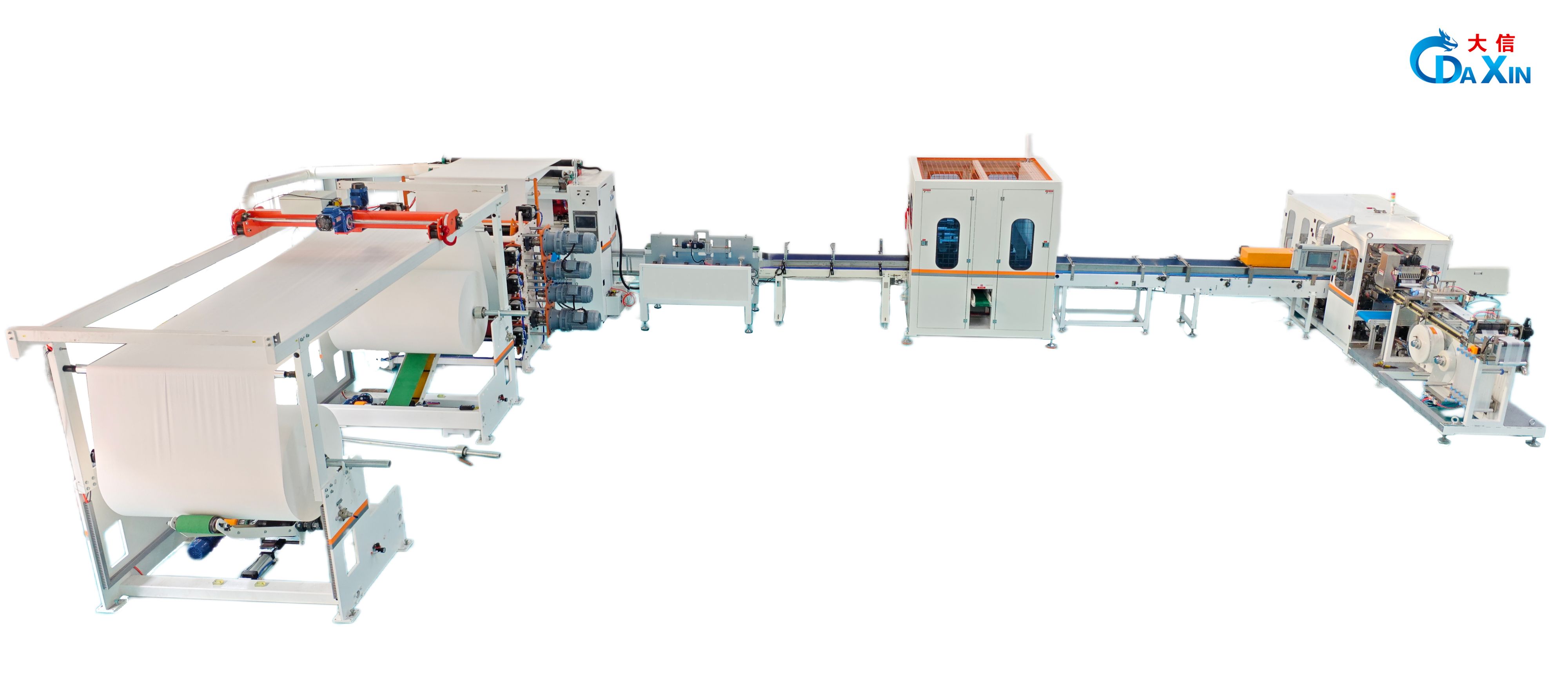
Don't let a supplier wave a spec sheet and call it proof. If your operation runs 3-ply wipes through a bottom-pull dispenser, ask them to load that exact count — not a thinner stand-in — and run it through repeated pulls. A design that glides with 2-ply can jam, tear, or leave half the stack stuck once you add that third layer.
Request video or a live demo with your actual product, not their demo stock. Watch what happens after the first thirty pulls, when the stack settles and friction builds. The bottom-pull mechanism should feed cleanly without needing a thumb to fish out the next sheet. If a supplier hesitates to test with real ply counts, treat that pause as a red flag.
Also pin down numbers: how many consecutive pulls before a misfeed? What moisture level or sheet weight did they use? Compare those conditions to your daily reality. Suppliers who truly know their bottom-pull design will welcome the challenge and hand over the data without making you beg for it.
Insist on a trial run with your own tissue material, not their showcase rolls
Your actual production tissue rarely behaves like the pristine rolls vendors bring to demos. Those showcase rolls are often conditioned for days, run at ideal humidity, and selected from the middle of a master roll where tension and ply bonding are most consistent. Your stock, on the other hand, carries the quirks of your storage environment, your unwind setup, and your operator's habits. If you skip testing with your own material, you risk discovering embossing defects, dusting issues, or ply separation only after the machine is installed on your floor.
A trial run using your exact tissue grade, basis weight, and roll diameter exposes problems no vendor script will mention. Watch how the embosser handles your splicing tails, your core starts, and your occasional wet spots. Log the waste percentage during acceleration and deceleration, not just at steady speed. And don't accept a vendor's promise that “it will work fine in production” based on their own rolls—make them prove it with a roll you pulled from your own inventory, ideally the oldest or most troublesome one you have.
This insistence also shifts the conversation from sales talk to engineering reality. When a supplier knows you will test their machine with your most challenging material, they either improve the nip geometry, adjust the roll hardness, or back off unrealistic speed claims. The goal isn't to be difficult; it's to avoid paying for a line that only performs in a controlled demo. Insist on a full shift trial, with your operators at the controls, so you see the true composite of material variability, setup time, and sustained output.
Uncover the maintenance schedule behind the glossy spec sheet
A spec sheet will happily list peak torque, infotainment screen size, and zero-to-sixty times, but it rarely mentions when the first major service lands. That glossy brochure won’t tell you about the transmission fluid interval that arrives sooner than expected, or the brake fluid flush the manual tucks into a footnote. The real story starts when you flip past the hero numbers and dig into the maintenance schedule.
Some vehicles wear their upkeep lightly, asking only for an oil change and a tire rotation in the first two years. Others hide a timing belt replacement at 60,000 miles or demand a pricey carbon-cleaning service before the odometer hits 40,000. Those details never make the showroom poster, yet they shape your monthly budget far more than a horsepower figure ever will.
Before you sign, ask the dealer for the full service interval chart, not just the prepaid maintenance offer. Compare two models with similar sticker prices and you might find one needs plug replacements and a valve adjustment before the other has even had its first coolant change. That gap in scheduled labor is where the glossy spec sheet quietly stops telling the truth.
Know who takes your call when the servo fault light comes on at midnight
A servo fault light glowing at midnight is rarely a minor inconvenience. It usually means a production line has stopped, a batch is half-finished, or a critical machine is dead in the water. At that hour, you don’t need a ticket queue or an automated phone tree. You need a real name, a direct line, and someone who understands the drive’s error codes without flipping through a manual. If that person only exists during business hours, the cost of waiting until morning can dwarf the cost of the original component.
That’s why the question “who takes your call” should be settled long before the fault ever appears. Ideally, you have a short list of support engineers or seasoned technicians who can walk you through diagnostics over the phone, or remote into the controller if the system allows. They know the difference between an overcurrent trip caused by a mechanical bind and a voltage sag from a failing power supply. More importantly, they answer. A midnight call that goes to voicemail is just another way of saying the fault light is still on.
Map out packaging and cartoning upgrades now, so the machine doesn't become your new bottleneck
Waiting until the line is already running at full tilt to assess cartoning capacity is how avoidable stoppages creep in. Look at the entire packaging chain now—erectors, diverters, conveyors, and case packers—and flag every point where a single hiccup could stall output. Upgrading a cartoner or repositioning a labeler is far less disruptive when done during scheduled downtime than when you're forced to react mid-shift.
One common trap is treating the machine's rated speed as your real throughput. Accumulation zones, manual repack stations, and changeover procedures all eat into that number. Map out exactly where product waits, and you'll often find that a modest investment in extra buffering or a smarter reject system buys more uptime than a brand-new cartoner.
Involve operators and maintenance techs in the mapping exercise from day one. They know which sensors ghost-trip, which film rolls tear, and which size changeovers take twice as long as the manual claims. Their input turns a theoretical upgrade list into a practical sequence—so when demand spikes, the cartoner becomes an asset instead of the reason orders ship late.
FAQ
Start by asking for a list of their existing customers who make a similar product. Reach out to those brands directly and ask about downtime frequency, how the supplier handled a breakdown, and whether spare parts arrived quickly. Price matters, but a machine that sits idle for two weeks waiting on a tension roller will cost you more than the premium you saved.
Request a video call where the supplier runs your exact tissue paper grade and fold pattern on their floor model. Ask them to show the changeover from one sheet count to another in real time. If they hesitate or only show a pre-edited promotional clip, that's a signal. You can also ask for three references you can call, not just email.
Look beyond the invoice. Ask about the cost of wear parts like perforating blades, rubber rollers, and suction cups. Check whether the quoted price includes installation, operator training, and the first maintenance visit. Some suppliers charge separately for software updates or require you to buy their proprietary packaging film, which locks you in.
If you're still finding your market fit, you'll switch between 100-sheet and 200-sheet packs frequently. A machine that takes two hours to change the folding plate versus one that takes twenty minutes will eat into your production week. Ask the supplier to demonstrate a full changeover and time it yourself.
It matters more than you'd think. Suppliers who primarily serve private label converters often optimize for high volume and low variability. If you're building your own brand, you'll need more flexibility—shorter runs, custom embossing, and quick packaging changes. Find a supplier who has done both, or at least shows a genuine understanding of branded production.
Floor space is a real constraint when you're not in a purpose-built factory. Bottom pull machines can vary significantly in length and height. Ask for a complete layout drawing including maintenance access areas, not just the machine body. Also check ceiling clearance for the unwind stand and whether the electrical cabinet can be placed on a mezzanine.
Look at how they structure their service agreements. A supplier who offers a 48-hour response time but has no local technician in your region is making an empty promise. Ask for the number of service engineers based within 500 miles of your plant. Also ask what happens when a part fails on a Friday afternoon—do they ship on weekends or wait until Monday?
Focus on the paper path from the unwind to the folding station. A well-designed bottom pull system keeps constant tension with minimal contact, reducing dust and jams. Ask about the type of vacuum or mechanical gripper used, how the sheet count is controlled, and whether the perforation blade is servo-driven. If the supplier can't explain these in plain language, that's a concern.
Conclusion
Growing tissue brands often lose months chasing quotes that don't match their production reality. Before you contact any supplier, pin down your exact tissue width and fold style—say '17-inch wide, 3-ply C-fold' rather than 'facial tissue machine.' Then push each vendor to demonstrate their bottom-pull design with your real ply count. Many suppliers preview a smooth run on thin two-ply showcase rolls, but the same machine may struggle with heavier three-ply or four-ply stock. Insist on a trial run using your own material, including any recycled or bamboo blends you plan to run. Watch how the machine handles roll changes, splices, and edge alignment under your conditions. If the supplier hesitates to run your substrate, treat that as a red flag, not a scheduling issue.
Beyond the demo, ask for the maintenance schedule that sits behind the glossy spec sheet. Find out which parts wear first, how many hours of preventive maintenance are needed monthly, and what a typical 12-month downtime total looks like. Then get specific about after-hours support: when the servo fault light comes on at midnight, who answers? Request a named contact, a guaranteed callback time, and a clear list of spare parts you should keep on site. Also map out packaging and cartoning upgrades before the folder arrives. A fast bottom-pull machine will only create a pile of finished tissue if your wrapping or cartoning line cannot keep up, so ask the supplier how their machine integrates with your existing downstream equipment—or what you need to budget next. Finally, choose a partner that talks openly about weak points and upgrade paths, because a growing brand needs a supplier that grows with you, not one that disappears after installation.
Contact Us
Contact Person: Sam Xie
Email: [email protected]
Tel/WhatsApp: 86-18938538530
Website: https://www.daxin321.com/