
China Plastic Prototyping Service Supplier - Essential Tips for Selecting a Trusted Manufacturer
2026-10-10
Finding a dependable China plastic prototyping service supplier can feel like navigating a maze. With countless manufacturers claiming expertise, how do you separate the real partners from the pretenders? ProtoMat has emerged as a name worth knowing, but even so, a few essential checks will help you avoid costly mistakes. In this guide, we'll walk you through the key factors to consider before you commit.
Why Material Transparency Matters When Choosing a Prototyping Partner
When you’re picking a prototyping partner, material transparency isn’t a nice-to-have—it’s the difference between a prototype that predicts production and one that just looks the part. A shop that hands you a spec sheet with vague “engineering-grade polymer” or “aluminum alloy” without naming the exact grade is asking you to gamble. The grain structure, filler content, and even the supplier lot can shift how a part machines, bonds, or holds a tolerance. Ask for mill certs, data sheets, and the actual trade name. If they hesitate, that hesitation shows up in your parts later.
Real transparency also means telling you when a material choice is a bad idea. A partner who quietly substitutes a cheaper ABS for a PC/ABS blend because it’s “close enough” is not doing you a favor—they’re hiding a decision that could crack under load or warp in a hot car. Good prototyping shops flag the trade-offs: this nylon absorbs moisture and will grow a few thousandths, that aluminum is great for strength but a pain to anodize. You’re not just paying for a machined or printed part; you’re paying for the judgment that comes from knowing exactly what’s in the billet or resin.
Checking Real Production Capabilities Beyond the Sales Pitch
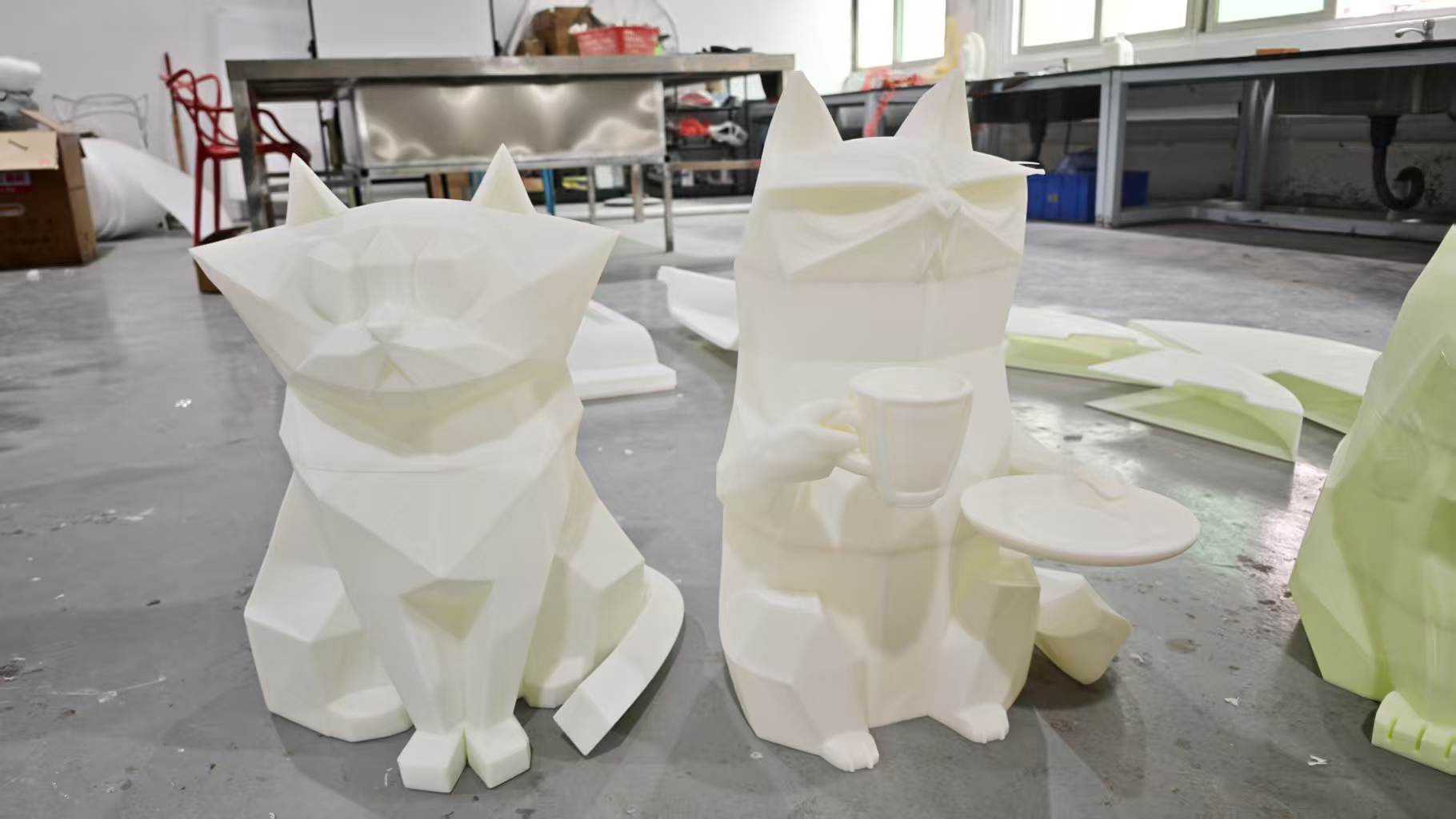
Sales decks often lead with monthly output figures and polished photos of equipment, but those numbers don't mean much until you walk the actual floor. Request a live video tour or an on-site visit that follows a single product from raw material intake to final packing. Count the active production lines, compare machine models against the spec sheets, and watch how many workers are actually moving goods through each stage.
Push for a trial run using your own materials or place a small-batch order before committing to volume. This quickly exposes whether their claimed capacity holds up under real deadlines. Notice how they manage sudden changes—lead time shifts, material substitutions, or quality-control failures. A factory that can pull up past production records and line schedules without hesitation is far more credible than one that only talks about theoretical output.
Finally, cross-check their stated monthly capacity against shipping or third-party logistics data when you can. Frequent overtime, heavy night shifts, and outsourced overflow work are signs the in-house capability is already stretched. A straightforward operation will let you speak directly with a floor manager or an existing client, not just the sales representative.
How to Verify Quality Control Without Visiting the Factory
Skipping the trip doesn't mean skipping oversight. Ask the factory to run a live video walkthrough on their floor while you watch the specific production line for your order. Have them zoom in on raw materials, stitching or soldering points, and packaging. Pair that with a requirement for daily photo logs at set times, not just when they want to show progress.
Independent inspectors are worth the cost if the order value justifies it. A local third-party team can check dimensions, weight, function, and cosmetic details against your approved sample, then send a report with timestamped photos and often short video clips before shipment. This keeps the check outside the factory's own reporting.
Make the paperwork do some heavy lifting too. Request batch records, material certificates, and in-process defect counts for the production run. If the numbers look too clean, ask for raw data or a re-test on the spot. A factory that shares granular, imperfect data is usually more reliable than one that only sends a polished summary.
The Role of Communication Speed in Avoiding Costly Revisions
When teams respond slowly to questions or feedback, small misunderstandings have time to harden into major mistakes. A designer might wait two days for a clarification on a layout requirement, only to build an entire prototype around a wrong assumption. By the time the answer arrives, the cost of reworking the design far exceeds what a quick check-in would have required. Fast communication doesn't just save minutes; it prevents the compounding of errors that leads to expensive revisions.
Consider a development sprint where a product owner takes hours to review a feature demo. The developer, unsure about a specific behavior, moves forward with a best guess. Three days later, the owner finally responds that the logic is incorrect. Now the developer must unravel the code, adjust tests, and re-document the change—work that could have been avoided with a five-minute conversation earlier. The speed of response directly influences whether revisions stay cheap or balloon into budget overruns.
In fast-moving projects, communication speed acts as a buffer against misalignment. A quick reply can prevent a team from going down the wrong path for an entire week. It also builds trust, so people feel comfortable asking early questions instead of hiding uncertainty. The most efficient teams treat promptness not as a courtesy, but as a risk management tool—every hour of delayed feedback carries a hidden revision cost that compounds silently.
Understanding Pricing Structures That Hide Tooling Fees
Many quotes arrive with tooling listed as a separate line item, but that line can be deceiving. Suppliers sometimes fold the cost of molds or dies into the unit price instead, presenting a lower upfront number that looks easier to approve. What you actually get is a long-term premium baked into every part, which quietly repays the tooling several times over before the project ends.
The trick is to ask what happens to the tool after the run. If the supplier insists on keeping it or refuses to transfer ownership even after you've paid inflated piece prices, the tooling was never really free. Compare total cost across projected volumes, not just the initial invoice, and you'll see which price structure is hiding the real expense.
Red Flags in Sample Delivery Timelines You Should Never Ignore
When a supplier gives you nothing more than "2–4 weeks" and refuses to pin down a dispatch date, that's not flexibility—it's a lack of scheduling control. Every time you check in, the window slides by another week, and the reason changes from raw material delays to machine maintenance to a national holiday you'd never heard of. Solid manufacturers run on production calendars, not vague estimates. If they can't tell you which day your sample will ship, they probably aren't tracking it themselves.
An unexpected promise to deliver early can be just as alarming as a delay. Suppose you were told the sample needs 21 days, but after you push for faster turnaround, the supplier suddenly says it'll be ready in 10—without explaining which steps are being compressed. Prototypes don't magically gain time; something gets skipped, usually the final quality check or the proper curing/drying process. Ask exactly what will be removed from the schedule. If they can't answer, walk away.
Watch for timelines that ignore logistics entirely. A supplier might give you a production finish date but never mention inspection, packaging, or the fact that their local courier pauses for three days during a regional festival. Then your "on-time" sample sits in a warehouse for a week because nobody booked the pickup. A trustworthy delivery schedule includes hard dates for each handoff—production done, QC passed, handed to forwarder, tracking number sent. Missing those details means the deadline is just a guess.
FAQ
If they quote without asking for your 3D files, tolerance requirements, or intended use, walk away. Serious shops need to understand the part's function before suggesting a process. Another warning sign is a supplier that claims to do everything—CNC, injection molding, vacuum casting, 3D printing—but can't show you actual equipment photos or videos from their floor.
Request a small paid sample run with a material certificate. Ask for dimensional inspection reports, not just photos. You can also ask them to ship samples directly to a third-party inspection service in China. A supplier that resists third-party checks or wants you to rely only on their word is not worth the risk.
It depends on your end goal. If you plan to scale to injection molding, a shop with both prototype and low-volume production experience can help you avoid design changes later. But pure prototyping houses often have faster turnaround and more flexibility with one-off parts. Ask how they manage the transition from prototype to production before committing.
Reliable suppliers respond with specific technical questions, not just 'yes, we can.' They confirm details like draft angles, surface finish standards, and material shrinkage. They also send progress updates with photos at key stages. If you have to chase them for every update in the first week, that pattern will likely continue through the whole project.
Use a staged approach. Start with a non-disclosure agreement that includes penalties under Chinese law, then share only the necessary file regions for initial quoting. For sensitive parts, split the design or provide a simplified version for first samples. Also check if the supplier has worked with foreign clients on patented products before—ask for references you can contact.
Chinese prototyping often costs 30-50% less than in North America or Europe for CNC or vacuum casting, but avoid chasing the absolute lowest quote. Very cheap prices usually mean recycled resins, skipped post-processing, or no dimensional verification. A fair Chinese supplier will itemize material, machine time, finishing, and shipping so you can compare apples to apples.
Treat them as a starting point, not proof. Many listings are paid placements or self-submitted. Instead, ask for at least two client references in your industry and contact them directly. Better yet, ask for a video call that includes a walk through the workshop floor—live, not pre-recorded. A genuine shop won't hesitate.
Most prototyping services accept one-off parts for CNC or 3D printing, but vacuum casting usually needs a master pattern and a small batch of 5-20 pieces. Low quantity doesn't mean lower quality if the supplier follows proper inspection. However, if you order just one part, the supplier may skip making a dedicated fixture, so ask how they'll hold tolerances on a single piece.
Conclusion
Picking a plastic prototyping supplier in China rarely comes down to just price or turnaround time. The real test is whether they can be transparent about materials from day one. If a vendor cannot tell you the exact resin grade, filler percentage, or whether recycled content is mixed in, that uncertainty will eventually show up as warpage, brittleness, or failed fit tests. Beyond the spec sheet, push them to prove actual production capability instead of relying on glossy brochures. Ask for a live video walkthrough of the workshop, have them run a short test cycle with your file, and request photos of similar molds they have built recently. Those small requests reveal more than any sales pitch. When you cannot visit the factory, insist on a pre-shipment sample with a dimensional inspection report and material certificate. A supplier that resists providing measurement data is often hiding variability in their process.
Communication speed is another factor that directly hits your budget. A prototype partner who replies within a few hours with technical questions or design feedback will save you from expensive revisions later. Slow, vague responses usually mean your project is not a priority, and that leads to rushed tooling or missed details. On pricing, watch out for quotes that look too low because the mold base, trial shots, or packaging are split into separate line items after you already committed. Always demand a full breakdown of one-time costs and unit prices before placing an order. Finally, sample delivery delays are rarely isolated events. If the first prototype slips by a week or arrives with poor surface finish, treat that as a warning about their capacity and quality control. Changing suppliers before mass production is far cheaper than fixing a bad batch after it ships.
Contact Us
Contact Person: Joe
Email: [email protected]
Tel/WhatsApp: +8613799507208
Website: https://www.3dprotomat.com/