
FIP Injectable GS-441524 Distributor: Trusted Source for Your Cat's Treatment
2026-09-20
Finding a reliable FIP injectable GS-441524 distributor can feel like searching for a needle in a haystack—until you discover Lucpets. This isn't just another supplier; it's a lifeline for cat parents navigating the terrifying waters of feline infectious peritonitis. With treatment timelines that demand precision and consistency, the source of your GS-441524 matters more than most vets will admit. So what sets a truly trusted distributor apart? And why are so many experienced rescuers quietly pointing toward Lucpets when every hour counts? Let's cut through the noise and take a closer look at what your cat actually needs from day one of injections to the final observation period.
Is Injectable GS-441524 Still the Standard for FIP?
For years, the injectable form of GS-441524 has held a near-mythical status in FIP treatment. It remains the most extensively studied and widely used option in many veterinary circles, largely because early clinical successes were built on subcutaneous injections. That history carries weight, even as practical drawbacks like injection-site pain and the challenge of daily dosing become harder to ignore.
But “standard” is shifting. Oral GS-441524 and related prodrugs have gained ground thanks to comparable outcomes in many cats and a far easier administration route. Some clinicians now reserve injections for severe cases or cats that can’t absorb oral medication well, while others still lean on injectable therapy for the first weeks to establish viral suppression.
So whether injectable GS-441524 is still the standard depends heavily on who you ask and which protocol they trust. It hasn’t disappeared, but it is no longer the only default. The field has moved toward tailoring treatment to the individual cat, and that flexibility may be the real new standard.
What Separates a Reliable Distributor From the Rest?
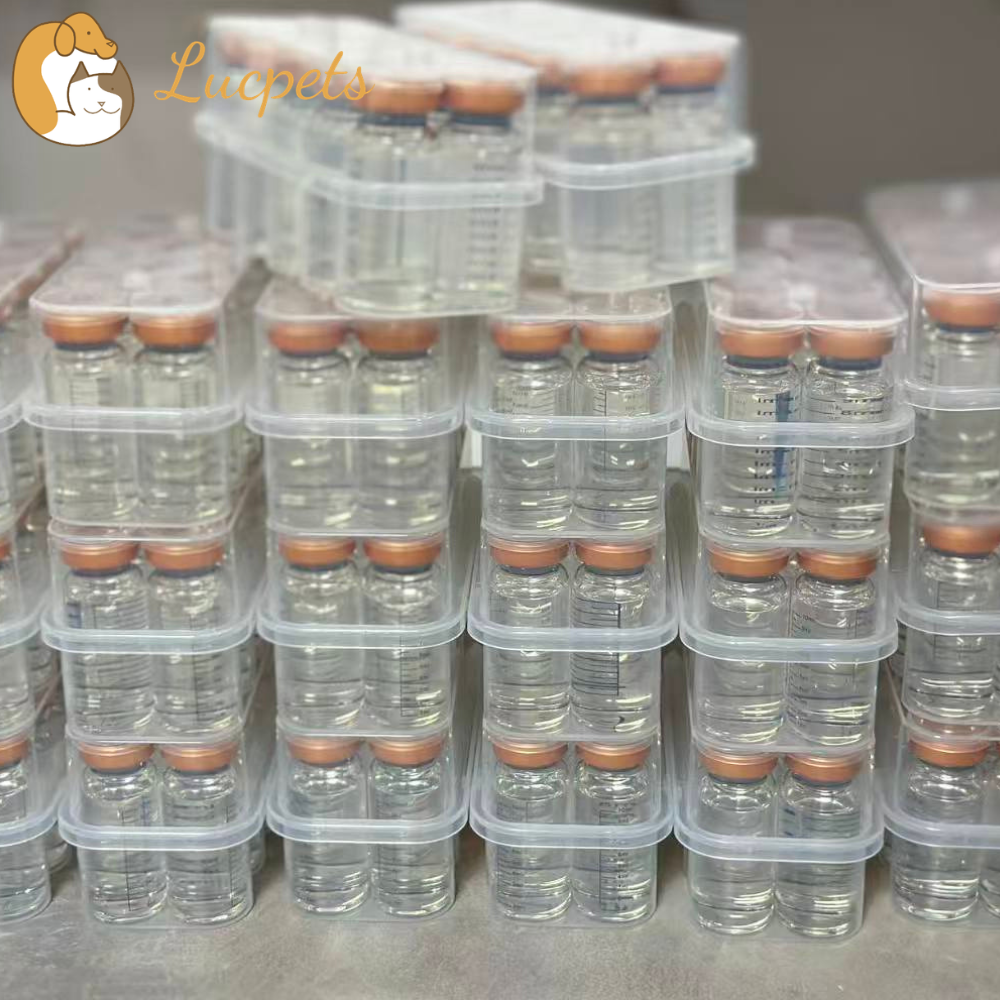
A dependable distributor doesn't just move boxes—they read the room before the order even lands. You'll notice it in the small things: a warehouse team that flags a packaging inconsistency before it reaches your dock, or a rep who calls to say a shipment might be two days late because a supplier's truck broke down, not because you had to chase them. That kind of transparency isn't scripted; it comes from people who treat your inventory like their own and have the authority to make a call without three layers of approval.
Beyond the basics of on-time delivery and accurate counts, the real differentiator is how they handle the moments that don't go according to plan. Reliable distributors don't hide behind email chains or blame freight carriers. They have a fix already in motion—a backup route, a local cross-dock, a credit on the next invoice without you asking. Their documentation is clean but their judgment is sharper: they know which substitutions make sense for your operation and which ones would cause a line-down. That level of proactive problem-solving is rare because it requires investing in people, not just systems.
Finally, look at how they talk about your business. A reliable distributor asks about your production schedule before quoting a price. They remember that you run a second shift on Thursdays, so they schedule deliveries for Wednesday afternoon instead of Friday morning. Over time, they become less of a vendor and more of an extension of your purchasing department—someone who understands your pain points, your customers' expectations, and the fine line between saving a few cents and risking a shutdown. That's the quiet, unglamorous work that separates a true partner from a website with a shopping cart.
Reading Lab Reports Without a Chemistry Degree
You don't need a chemistry degree to make sense of a lab report, but you do need to know where to look. The abstract and conclusion usually tell you what the researchers think they found, while the methods section reveals how they actually got there. Skip the dense equations and focus on the narrative: what question were they asking, what did they change, and what happened as a result. Often the most useful information is buried in a single sentence about limitations or unexpected results.
Pay attention to the sample size and whether the authors mention any outliers or failed experiments. Those details matter more than the jargon-heavy discussion. If a term keeps appearing and you're lost, look for a plain-language definition in the introduction or figure captions. Many reports also include a graphical abstract or summary chart that distills the key finding into one image. Train yourself to read those before diving into the text.
Finally, cross-check the numbers with the claims. A report might say "significant improvement," but the actual percentage change could be tiny. Compare the baseline and the final measurement yourself. If the authors avoid stating the exact values or rely on vague words like "robust" or "promising," that's a signal to dig deeper or ask someone who can explain the chemistry in plain terms. Reading a lab report is less about decoding formulas and more about spotting logical gaps and unsupported leaps.
Common Injection Mistakes That Slow Progress
Many people settle into one comfortable spot and keep using it, not realizing how quickly scar tissue can form under the skin. Over time, repeated injections into the same area create hard, lumpy patches that block normal absorption. The medicine still goes in, but it seeps out slowly or unevenly, which makes each dose feel less effective and leaves you wondering why progress has stalled. Rotating sites across different zones—like the belly, thighs, and outer arms—gives tissue a chance to recover and keeps absorption steady.
Rushing the shot is another common slip that quietly undermines results. Pulling the needle out the instant the plunger bottoms out often leaves a tiny bead of liquid on the skin’s surface, meaning part of the dose never made it inside. Holding the needle in place for a few extra seconds lets the tissue absorb the full amount. Something as simple as injecting into cold, tense muscle can also increase resistance and cause the medication to pool instead of spreading, so warming the area or taking a slow breath before the injection can make a real difference in how well the treatment works.
When to Expect Visible Improvements in Your Cat
The earliest changes are often the least glamorous. Within five to seven days, you may notice a firmer stool and less gas if the improvement is tied to diet. Some cats also stop over-grooming their belly once digestive discomfort eases. These are signs the gut is settling, not the final result.
Coat and skin take longer because fur grows in cycles. Around the three-to-four-week mark, you might feel less dander when you stroke your cat, and the fur along the back can start to look less dusty. Don't be surprised if the change appears uneven at first; older, damaged hair still needs to shed before new growth becomes obvious.
Energy and mobility shifts are the most gradual. By week six to eight, a cat that previously napped all afternoon may begin following you around or batting at toys again. If your cat is older or has a chronic condition, visible improvements can take up to twelve weeks. Keep a short weekly note of appetite, litter habits, and playfulness so you can spot small gains that are easy to miss day to day.
Storing GS-441524 Correctly to Keep Every Dose Effective
Store GS-441524 in a cool, dry place away from direct sunlight and heat sources. A closed cabinet at room temperature is usually fine, but if your vet or pharmacy specifies refrigeration, keep it between 2°C and 8°C and never freeze it. Temperature swings can quietly break down the active compound, leaving each dose weaker than intended.
Keep the bottle tightly sealed and upright when not in use. Air and moisture speed up degradation, so wipe the cap and rim after measuring a dose, and avoid pouring unused liquid back into the bottle. If the suspension separates, follow the label for gentle mixing rather than vigorous shaking, which can introduce bubbles and make dosing less accurate.
Before each dose, check the liquid for clumping, cloudiness, or a color shift that wasn’t there before. Mark the discard date given by the compounding pharmacy and stick to it, even if some remains. Using a batch that was stored wrong or kept past its limit can leave your cat underdosed without any obvious warning.
FAQ
GS-441524 is an antiviral compound that targets the virus responsible for feline infectious peritonitis (FIP). The injectable form delivers the active ingredient directly under the skin, usually once daily, so it reaches the bloodstream quickly. Because FIP was once considered nearly always fatal, GS-441524 has become a central part of many treatment plans, though it’s typically obtained through specialty distributors since it’s not widely available from conventional veterinary clinics.
Look for third-party batch testing results, clear concentration labeling on the vial, and a willingness to share certificates of analysis. A trustworthy distributor will also offer stable storage instructions and respond to detailed questions about the manufacturing process. Avoid sellers that only rely on vague claims or refuse to disclose basic quality-control information.
Yes, it is used for both forms. The injection delivers the same active molecule regardless of whether fluid accumulation or organ lesions are the main symptom. Dosing may vary based on the cat’s weight and the severity of neurological or ocular involvement, so a veterinarian familiar with FIP should guide the exact protocol.
Most protocols involve one subcutaneous injection per day for around 84 days. The exact length can shift depending on how the cat responds, bloodwork trends, and whether any relapse signs appear. Sticking to the same time each day helps maintain steady drug levels.
The most common issues are localized skin reactions, such as sores or scabs at the injection site, especially if the needle technique is rough or the same spot is reused too often. Some cats may experience temporary lethargy or reduced appetite after the shot. Serious side effects are less frequent, but any unusual behavior should be reported to the treating vet right away.
Ask about the concentration per milliliter, the recommended storage temperature, the expiration date, and whether the product comes in sterile, sealed vials. Also find out if they provide ongoing support, such as help with dosing calculations or troubleshooting injection reactions. A distributor that offers direct communication instead of just a checkout page is generally a better partner during treatment.
Most formulations should be kept in a cool, dark place, often between 15–25°C (59–77°F), but some brands may need refrigeration. Never freeze the vial and always check the label for specific instructions. Once a vial is opened, use it within the timeframe stated by the manufacturer to avoid contamination.
Many cat owners learn to give the injections at home after proper training from a veterinarian or an experienced FIP advisor. The technique is not difficult, but it does require consistent rotation of injection sites and careful handling to prevent infections. If you’re uncomfortable, a vet or vet tech can administer the shots, though daily visits may be impractical.
Conclusion
Injectable GS-441524 still holds its ground as a primary treatment for many cats with FIP, even as oral options gain attention. What often gets overlooked is that the medication is only as good as the distributor behind it. A trusted source won't just ship vials; they'll offer batch-specific lab reports that you can actually understand without a chemistry degree. Look for clarity on purity, concentration, and sterility rather than vague claims. When the lab data is easy to read, you spend less time worrying about whether the product is legitimate and more time focusing on your cat's daily injections. That peace of mind matters more than any marketing language.
On the practical side, common injection mistakes can quietly slow progress—things like using a dull needle, injecting into the same spot repeatedly, or not letting the liquid warm to room temperature. Most owners notice visible improvements within the first week or two: your cat may start eating more, moving around instead of hiding, and showing interest in familiar routines. But those gains depend heavily on proper storage. Keep GS-441524 out of direct sunlight and away from heat, draw doses carefully, and never shake the vial. A reliable distributor will walk you through these finer points instead of leaving you to figure them out alone.
Contact Us
Contact Person: Aaron
Email: [email protected]
Tel/WhatsApp: +86 18177165140
Website: https://www.lucpetsglobal.com