

OEM Stair Climber Practical Buying Guide for Gym Owners
2026-10-09
Choosing an OEM stair climber for your gym often comes down to guesswork—until a machine breaks down three months after delivery. Instead of reading another spec sheet, this guide walks you through the practical factors that actually determine long-term reliability, from motor quality to warranty terms. We'll also show you how suppliers like Yingruis handle customization and support, so you can buy with confidence and avoid the hidden costs that plague budget equipment.
What Actually Matters When Comparing OEM Stair Climber Builds
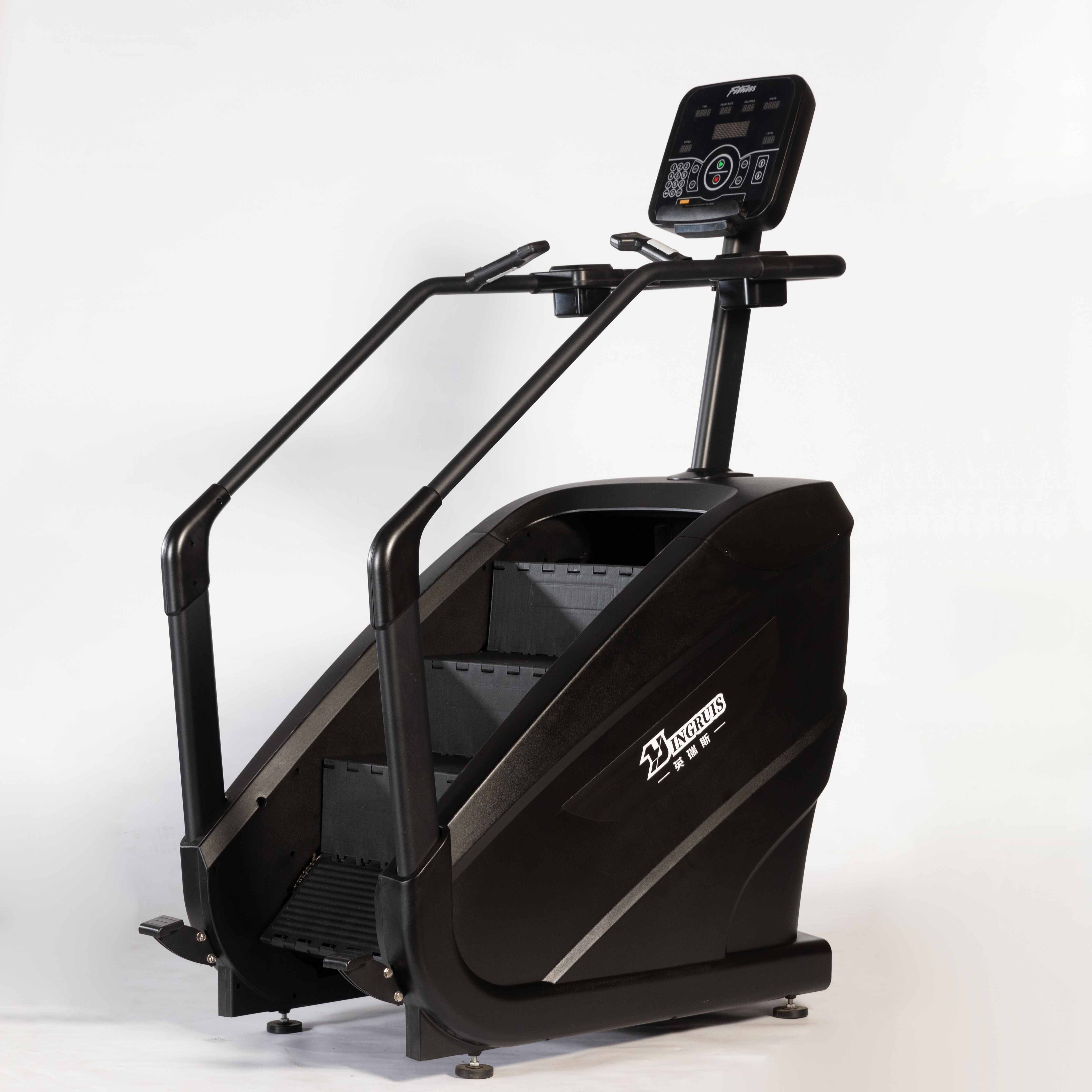
When you strip away the badge and plastic shrouds, an OEM stair climber is really a frame, a drive system, and a set of steps. The frame's gauge and weld points matter more than the color. A thinner gauge might flex under a 300-pound user, making every step feel shaky. Look for reinforced gussets at the base and a cross brace near the midpoint—those details tell you whether it was built for gym floors or home corners.
The drive arrangement is another quiet differentiator. Cheaper units rely on a single belt and plastic pulley, which can slip once sweat and dust build up. A dual-chain or toothed belt setup with metal sprockets will keep pedal spacing consistent over thousands of cycles. Also pay attention to step depth and the angle of the footplate; a shallower step forces a steeper climb and can strain knees, while a deeper, slightly textured surface reduces foot drift without needing oversized side rails.
Maintenance access is often overlooked until something snaps. If the motor shroud comes off with four bolts and the tensioner has a clear adjustment window, that tells you the OEM cared about service life. If you need to disassemble half the machine to reach a belt, walk away. Weight capacity ratings aren't just marketing—they reflect bearing size, axle diameter, and overall frame tolerance. A "350 lb capacity" printed on a flimsy base is a red flag, not a feature.
Spotting Manufacturers That Cut Corners Before You Commit
A glossy sample and a smooth sales pitch won't tell you if a factory is quietly swapping in cheaper alloys or skipping a heat-treatment step. Before you place a deposit, ask for the production batch records from the last three runs of a similar product. Look for gaps in lot numbers, inconsistent material certificates, or sudden changes in reported scrap rates. A manufacturer that hesitates to share this data, or only offers a hand-picked golden sample, is usually hiding something in the routine work.
If you can't visit in person, request a live video walk-through of the floor during an actual production shift, not a pre-recorded tour. Pay attention to what's happening in the background: are calibration stickers on gauges current, is the rework area overflowing, do raw materials sit unprotected against moisture or dust? Ask how non-conforming parts are isolated and who signs off on rework. The answer should be immediate and specific, not a vague promise about quality control.
Dig into the documentation trail that follows every batch. Legitimate shops keep traceability records that link raw material heat numbers to finished goods and final inspection reports. If a supplier claims ISO compliance but can't produce a recent third-party audit report with corrective actions, treat that as a red flag. Also cross-check any certificates they provide by contacting the issuing lab directly. Cutting corners often shows up in paperwork long before it shows up in a failed product.
Customization Options Worth Paying For and Ones to Skip
When you're ticking option boxes at a dealership or scrolling through an online configurator, the line between genuine value and clever packaging can blur fast. Some upgrades quietly improve daily ownership, while others simply inflate the sticker price. Spending extra on heated and ventilated seats, a premium sound system you actually notice, or adaptive headlights often pays you back every time you drive. These are the kinds of features that solve real problems—cold mornings, long commutes, poor visibility on country roads—rather than just adding chrome.
On the flip side, bigger wheels and low-profile tires might look sharp, but they usually make the ride harsher and replacement tires more expensive. Paint protection film applied at the dealer can be useful, yet many shops overcharge for a job you could get done elsewhere for less. Skip the fancy ambient lighting packages, wireless charging pads that overheat your phone, and any subscription-based feature unlock that should have come standard.
Before you commit, think about how you actually use the vehicle. A third-row seat package might sound smart until you realize you'd rather have the cargo space. Similarly, a towing package on a crossover you'll never hook a trailer to is just dead weight. Aim for options that affect comfort, safety, and visibility—those tend to age well and hold value when it's time to sell.
Realistic Lead Times and Shipping Costs Nobody Quotes Up Front
A '30-day lead time' usually means 30 days of production, not 30 days until you receive the goods. Add in pre-production sampling, raw material sourcing, factory holidays, and at least one round of quality inspection, and the real door-to-door timeline can easily double. Buyers who don't ask for a detailed breakdown of each stage end up with late shipments and angry customers.
Shipping quotes are even more slippery. The per-unit freight charge you're given often excludes port handling, customs brokerage, fuel surcharges, and last-mile delivery. If your shipment is LCL, consolidation and deconsolidation fees can silently add 20% or more to the total. And the cheapest ocean rate might mean your container sits at a transshipment hub for two weeks while your inventory runs out.
The workaround is simple but rarely followed: request a door-to-door quote with all Incoterms spelled out, then add a 15% buffer to both cost and time. That's not being pessimistic; it's how experienced importers protect their cash flow. If a factory or forwarder gives you a number that looks too good, ask what isn't included — because something always is.
Why Serviceability Decides Your Long-Term ROI
Most buyers focus on the sticker price, but the real drain on profitability usually shows up months or years later when a machine needs routine service. Equipment that's awkward to access, requires specialized tools for basic checks, or forces technicians to disassemble half the unit just to reach a filter will quietly eat into your margins. Every extra hour of labor, every delayed repair, and every improvised workaround adds a recurring cost that initial savings can't offset.
Long-term ROI isn't just about avoiding breakdowns; it's about how quickly you can recover when something does go wrong. Machines designed with modular components, clear diagnostic points, and widely available spare parts get back online faster, which keeps production schedules intact. The difference between a two-hour repair and a two-day repair might seem minor on paper, but over a five-year ownership cycle those gaps compound into significant lost output and higher technician bills.
There's also the resale angle that often gets overlooked. A well-maintained machine with a documented service history commands a stronger price because the next owner knows they won't inherit a maintenance nightmare. If your equipment is known for being serviceable, you're not just saving on current upkeep; you're preserving asset value that competitors with cheaper, harder-to-fix models simply can't match.
Questions to Ask Before You Sign the Purchase Agreement
Before you put pen to paper, pin down exactly what you're committing to. Ask if the purchase price includes any outstanding fees, transfer costs, or taxes that could surface later. Confirm the exact boundaries of the property and whether any fixtures or appliances you saw during the walkthrough are included. A quick chat with the seller or agent now can save you from a nasty surprise at closing.
Dig into the timeline and contingencies. What happens if financing falls through or the inspection uncovers major issues? Make sure the agreement spells out your right to walk away with your deposit intact under those circumstances. Also ask about any pending disputes, easements, or HOA rules that might limit how you use the property. If the seller hesitates to put answers in writing, that's a red flag worth investigating.
FAQ
Start with the drive system and weight capacity. A commercial unit needs at least a 350 lb user weight rating and a continuous duty motor, not a home-grade one. Ask for the exact motor horsepower and test data for hours of daily use.
Look at frame construction and warranty terms together. Welded steel frames, sealed bearings, and a minimum 2-year parts warranty on the drivetrain are good signs. If the OEM won't share failure rate data or service manuals, walk away.
Focus on console branding, custom color accents, and programming presets that match your training style. Skip deep cosmetic changes unless they affect user experience. Ask for a sample unit with your logo before committing to a bulk order.
Direct OEM orders cut per-unit cost by 15-30%, but you'll handle customs, freight, and spare parts storage. If you don't have a repair tech on staff, a local distributor with a parts inventory is often cheaper long-term.
At minimum, CE and RoHS for electronics, plus ISO 20957 for stationary training equipment. For North America, UL or ETL certification on the motor and console avoids liability issues during insurance checks.
Start with three to five units. That's enough to gauge member demand and get a feel for service intervals without overcommitting. Negotiate a trial period or a smaller initial order with the OEM to test reliability.
Most OEMs quote 30-45 days production after deposit, then 20-30 days ocean freight. Add two weeks for customs and inland delivery. Plan for 10-12 weeks total unless you pay extra for air freight.
Request video walkthroughs of the production line, ask for references from other gym owners in your region, and order one sample unit before signing a bulk contract. Also check the OEM's export history and complaint records on trade platforms.
Conclusion
When you start comparing OEM stair climber builds, ignore the glossy spec sheets and ask for photos of the frame joints, chain tensioners, and the underside of the step plates. The differences that matter for gym owners are rarely in the console—they're in weld quality, bushing materials, and whether the drive chain is a standard industrial size or something proprietary you'll struggle to replace later. A good way to spot corner-cutting before you commit is to request a short video of the factory assembling one unit or at least detailed close-ups of the motor housing and pedal bearings. If the manufacturer hesitates, that's your answer. On customization, stick to branded colors, logo plates, and maybe reinforced handrails if you expect heavy users. Skip touchscreen upgrades and preloaded workout apps—most members just hit start and climb, so that money is better spent on durable powder coating or upgraded bearings.
Lead times and freight are where quotes fall apart. Always demand a breakdown that includes ex-works date, port handling, inland trucking, and any possible customs inspection fees, and get it written into the purchase agreement with penalties for delays. Then think long term: serviceability is what really determines ROI. Ask which wear items—chains, belts, step rollers, control boards—are replaceable with off-the-shelf parts, whether the factory provides a detailed service manual, and how fast they ship spare parts after the warranty period. Before signing, get clear answers on warranty coverage for commercial use, response time for technical support, and whether they have a U.S. or EU parts warehouse. A cheap unit that sits broken for six weeks costs more than a reliable one with a slightly higher price tag.
Contact Us
Contact Person: Owen Wu
Email: [email protected]
Tel/WhatsApp: 86-15376736259
Website: https://www.yingruisfit.com/
