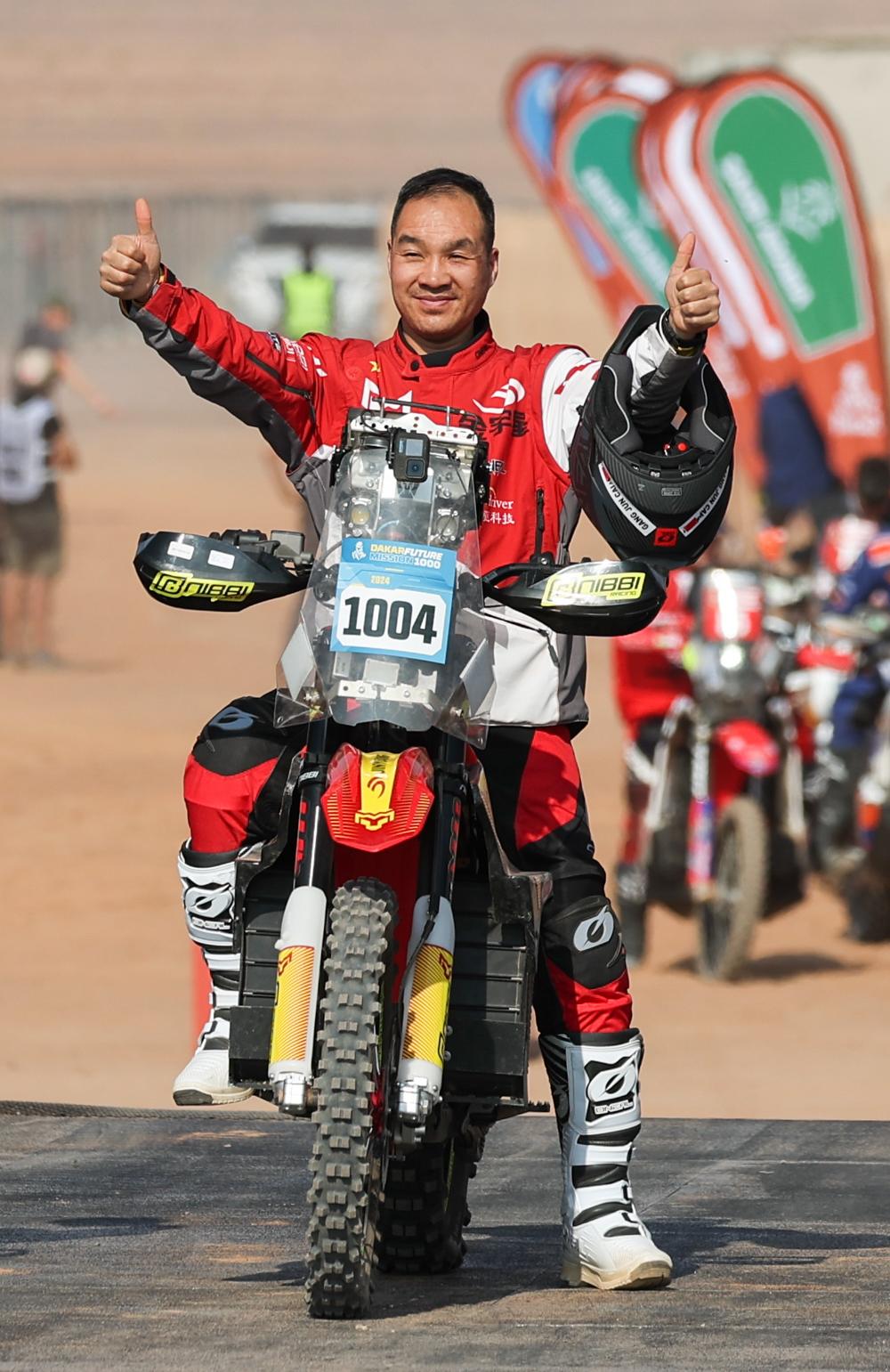
Top Electric Dirt Bikes for Unmatched Off-Road Adventures
2026-10-21
Gas-powered dirt bikes used to dominate off-road riding, but the new wave of electric models brings instant torque, near-silent operation, and surprising range that can handle everything from rocky climbs to muddy singletrack. Rather than sorting through endless specs, we’ve narrowed down the top electric dirt bikes that actually deliver unmatched off-road adventures. One name that keeps surfacing in serious trail conversations is Arctic Leopard — a brand that proves electric power can be both aggressive and trail-ready.
Electric Torque That Claws Up Loose Shale
When a high-torque electric motor meets brittle shale, the result feels less like drilling and more like tearing. The bit doesn't simply rotate against the rock; it delivers short, relentless pulses of rotational force that exploit every microfracture. Loose shale tends to crumble under that kind of attack, breaking away in chunks rather than grinding into fine dust.
The torque curve is tuned for bite, not speed. At low RPM the motor holds almost full twisting power, so the cutting faces stay engaged with the formation instead of skating over it. That matters in loosely consolidated zones where a conventional rotary assembly would chatter or lose contact. Here the electric drive keeps the claws dug in, snapping off layers with each partial revolution.
Operators notice the difference in cuttings and in the rate of penetration. Instead of a dusty haze, the returns come up as angular fragments—evidence that the rock is being pulled apart along its natural bedding planes. It's a quieter, more deliberate assault on the formation, and it turns what used to be a struggle into a steady, clawing advance.
Range Numbers That Hold Up When the Trail Gets Nasty
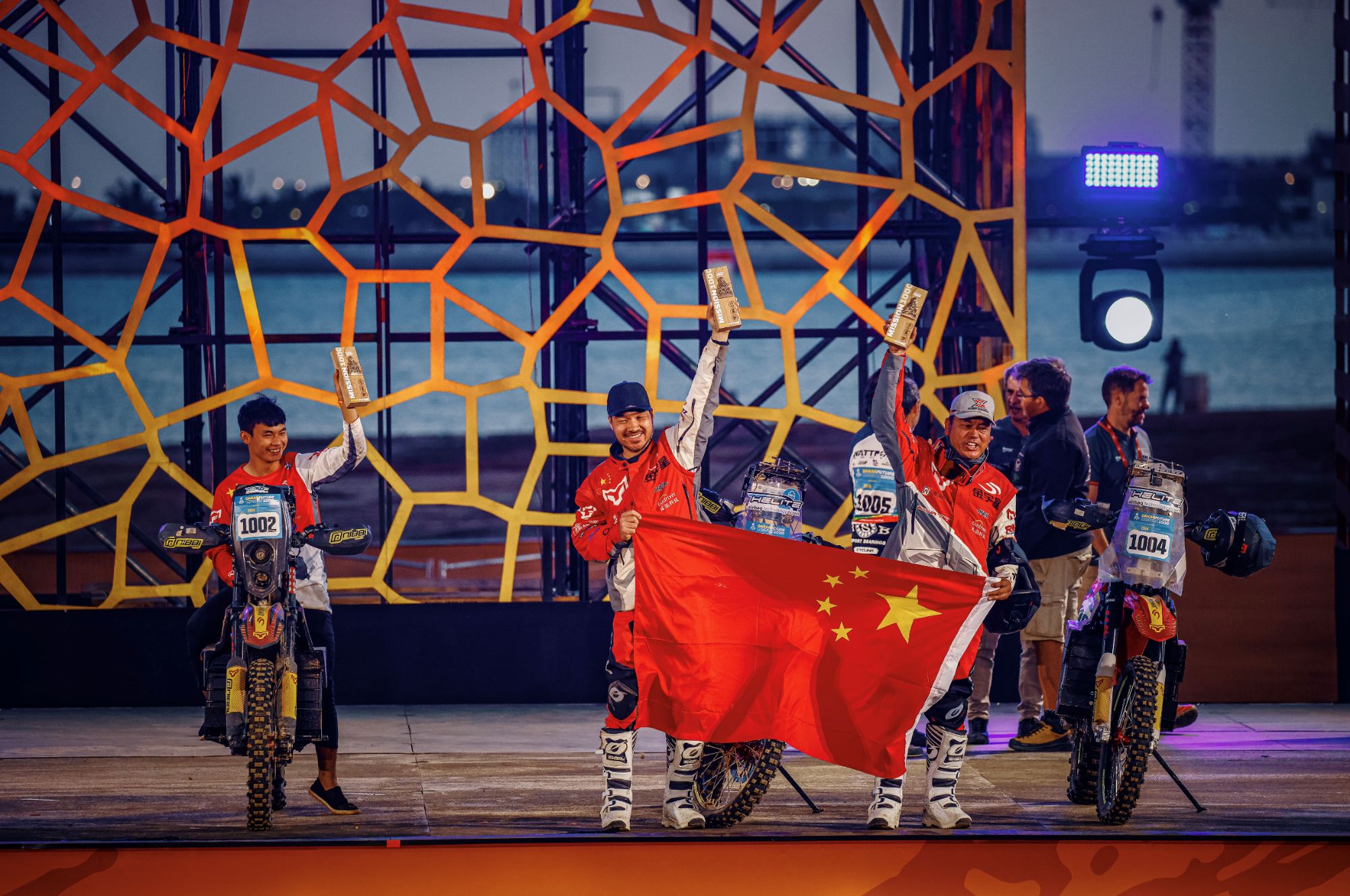
Slick rock, loose scree, and axle-deep mud have a way of shredding optimistic spec sheets. The only range figure that matters is the one you can actually rely on after three hours of grinding uphill in low gear. We pushed these bikes until the battery indicator blinked red, then kept pushing through terrain that would rattle the fillings out of a lesser machine. The numbers below aren't lab results—they're what survived when the trail turned mean.
Start with the obvious: cold saps lithium, mud eats watts, and constant torque spikes from rock ledges drain a pack faster than any flat tarmac test. That's why we threw out manufacturer claims and logged every mile with a GPS running alongside the wheel sensor. The bikes that held their range best weren't always the ones with the biggest battery. Some cleverly blended regen braking with torque-sensing assist, recovering energy on descents that others simply burned as heat. Others just had motors tuned to sip power when you were barely moving—exactly when traction matters most.
The result is a shortlist of machines that won't leave you walking. One mid-drive unit surprised us by losing only 12% of its rated range after a full day of rock crawling, while a hub-motor competitor gave up nearly half. If your rides include washouts, stream crossings, or root gardens that force constant throttle feathering, the numbers below are the ones to trust. Anything else is just a fair-weather guess.
Throttle Mapping for Slow-Speed Precision
Low-speed riding exposes every small throttle input, turning abrupt on/off delivery into a constant balancing act. Remapping the throttle for slow-speed precision means reshaping the initial 5–15% of grip rotation so that power comes in with a softer, more linear ramp. Instead of a spike at 3,000 rpm, you get a gentle creep of torque that lets you hold a steady 8–10 km/h without feathering the clutch or dragging the rear brake.
The real work happens in the ECU tables, where requested torque is re-scaled against throttle angle and engine speed. Tuners often soften the first column of the throttle map and blend it into a slightly richer fuel target, which reduces jerk and smooths the transition from closed to partial throttle. On ride-by-wire bikes, this can also involve adjusting the grip sensor's voltage curve so that fine wrist movements don't translate into oversized butterfly changes.
What you notice after a proper remap is less mental overhead in tight U-turns, parking lots, or filtering. The engine no longer feels like it wants to lunge when you breathe on the grip. Instead, it follows your hand with a predictable, almost hydraulic delay, giving you room to manage line selection and body position without constant micro-corrections.
Suspension Tuned for Square-Edged Hits at Speed
Square-edged impacts at speed are the rude awakening most suspension setups would rather ignore. Hit a rain gutter, railroad crossing, or broken pavement at 45 mph and you're asking the fork or shock to swallow a wall of force in milliseconds. The problem isn't just the size of the hit—it's the shape. A sharp, vertical edge loads the suspension instantly, often faster than the valving can react, which sends a jolt straight through the chassis and into your hands.
Tuning for this kind of abuse starts with the high-speed compression circuit. Instead of ramping up damping force in a straight line, the valving is biased to blow off early and then recover quickly, letting the wheel move up and out of the way before the frame gets yanked. Shim stacks get thinner face shims over a stiffer base, creating a digressive curve that eats the initial spike but still controls bottom-out. Rebound is slowed just enough to keep the tire planted after the impact, because the second hit is almost worse when the suspension is still packing down.
The payoff is a chassis that stays level and predictable over broken sections that used to feel like a jackhammer. You stop bracing for impacts and start trusting the suspension to do its job, which means later braking points, higher corner speed, and a lot less fatigue after a long day. The best setups don't feel plush—they feel invisible, letting square edges pass underneath without drama.
Weight Balance That Makes Tight Trees Feel Open
Dense foliage often reads as a solid block because the visual mass is spread too evenly across the canopy. When every branch carries the same amount of leaf weight, the eye has no place to rest, and the tree feels closed off. Shifting heavier clusters toward one side or letting the lower branches hold a bit more density opens up the silhouette without actually thinning the crown. The key is imbalance: a heavier section gives the lighter areas room to breathe.
A tight crown starts to feel airy when the lower branches anchor the design and pull the eye downward, breaking the static wall of green. This creates a diagonal or triangular flow across the tree, so the viewer doesn't see a flat front. Small gaps between branch layers work better than large empty pockets—they suggest depth while keeping the compact shape intact. Adjusting branch thickness and leaf distribution often does more than aggressive pruning.
Contrast between heavy and light areas gives the eye a path to travel, which is what makes a dense tree feel open. Even without removing much foliage, repositioning a few key branches or reducing leaf mass in selective pockets can shift the balance enough to change the whole impression. It's less about creating empty space and more about arranging the existing weight so the tree no longer reads as one solid mass.
What Happens When the Battery Hits 5 Percent on a Descent
When the gauge drops to 5 percent on a long downhill stretch, the car's computer typically dials back available power to protect the battery from deep discharge. You'll feel the accelerator become less responsive, and the top speed may be electronically capped. The regenerative braking system often stays active, though, because gravity is still feeding energy back into the pack. That can actually hold the state of charge steady or even nudge it upward for a few miles, which buys some breathing room before the battery management system steps in again.
If the descent continues long enough, the system may start limiting regenerative braking to prevent the battery from receiving too much current at a low state of charge. That means you'll rely more on the friction brakes, which can heat up quickly on a steep grade. Some vehicles will also trigger a more aggressive low-power mode, cutting climate control and reducing steering assist. The dashboard usually shows a clear warning, but the real signal is the sudden loss of regen when you lift off the throttle.
The safest move is to ease off the brakes and let the car coast while you look for a safe place to pull over. If you're on a mountain road, use a low gear or the vehicle's hill descent control to manage speed without cooking the brakes. A 5 percent state of charge on a descent is not a crisis if you handle it calmly, but it does mean you should stop at the next available charger rather than trying to stretch the battery further.
FAQ
The instant torque delivery completely changes how you tackle steep climbs and loose terrain. You get precise throttle control without the lag, plus there's no clutch to manage, so you can focus entirely on the trail ahead.
A mid-size option like the Sur Ron Light Bee X is a great starting point. It's lightweight, has a manageable power curve, and the switchable modes let you ease into off-road riding without feeling overwhelmed.
It depends heavily on terrain and riding style, but expect around 40 to 60 miles on mixed trails. Hill climbs and aggressive throttle use will drain it faster, while steady flat sections stretch the range.
They're significantly quieter than gas bikes—most produce a low whir rather than a roar. You still need to respect local noise rules, but neighbors are far less likely to complain.
People assume they lack power, but that's outdated. Modern electric dirt bikes deliver jaw-dropping torque from a standstill and can easily match or beat 250cc gas bikes on technical sections.
With careful planning, yes. Carry a spare battery or use a portable charger paired with a generator. Range anxiety is real, but for day trips and most weekend excursions it's rarely an issue.
Far less than a gas bike—no oil changes, air filters, or carburetor tuning. You'll mainly check the chain, brake pads, and tire pressure, plus keep the battery stored at moderate temperatures.
The Talaria Sting R is tough to beat for the price. It sits in that sweet spot between entry-level and premium, with solid suspension, a removable battery, and enough punch for serious trail work.
Conclusion
The best electric dirt bikes don't just swap a gas tank for a battery—they rewrite how you attack loose terrain. Twisting the throttle on a top-tier e-moto unleashes a surge that claws up shale without the wheelspin drama you'd expect from a combustion engine. That instant pull feels less like a power spike and more like a steady, relentless bite. Real-world range matters more than spec-sheet fantasy, and these machines hold their own when the trail turns into a rock garden or a mud pit. Riders who used to babysit clutch levers now toggle between finely tuned throttle maps, creeping through slow-speed rock sections with millimeter control, then snapping open for a hill climb without ever touching a shifter.
What sets the leaders apart is how they behave when things get ugly. Suspension built for square-edged hits keeps the chassis composed at speed instead of bucking you sideways, while a low, centered battery layout makes weaving through tight trees feel less like wrestling a refrigerator. Even the dreaded low-battery warning gets addressed: on a long descent, the smartest bikes taper power smoothly rather than cutting out, letting you engine-brake with regen and pick a safe line. That kind of thoughtful design turns a potential walk of shame into just another part of the ride.
Contact Us
Contact Person: Jack
Email: [email protected]
Tel/WhatsApp: +86 15657688888
Website: https://www.arctic-leopard.com