

How Do Ocean-Going Tugs Operate?
2026-06-01
Article Summary: Ocean-going tugs are powerful maritime vessels designed to tow, push, and maneuver large ships and floating structures across open seas. This article explains their working principles, engineering systems, operational use cases, and safety considerations. It also highlights key design features and real-world applications, helping operators, shipowners, and maritime planners understand how these vessels improve offshore logistics efficiency and safety.
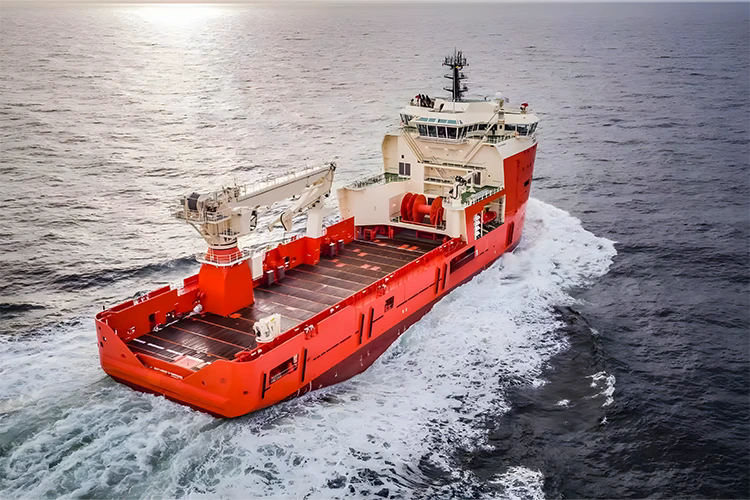
Table of Contents
- Introduction
- What Is an Ocean-Going Tug?
- Core Design Features
- How Ocean-Going Tugs Operate
- Key Applications
- Technical Specifications Overview
- Operational Challenges and Solutions
- Safety and Regulatory Compliance
- Maintenance Best Practices
- FAQ
- Conclusion and Contact
Introduction
Ocean-going tugs play a critical role in global maritime logistics. Unlike harbor tugs that operate in confined port areas, ocean-going tugs are engineered for long-distance towing operations in open waters, often facing harsh sea conditions, strong currents, and unpredictable weather.
These vessels ensure safe transportation of oil rigs, barges, disabled ships, and large offshore structures. Their versatility and brute pulling power make them indispensable assets in offshore engineering and marine transport industries.
What Is an Ocean-Going Tug?
An ocean-going tug is a specialized towing vessel designed for high-seas operations. It is built with reinforced hull structures, high-horsepower engines, and advanced navigation systems to perform demanding towing missions across oceans.
- Long-distance towing of barges and ships
- Assistance in offshore platform deployment
- Salvage operations for distressed vessels
- Support for maritime construction projects
Compared to standard tugs, ocean-going versions are larger, more powerful, and capable of extended autonomy at sea.
Core Design Features
The engineering design of ocean-going tugs focuses on endurance, power, and stability. Key structural and mechanical features include:
- High-powered propulsion systems: Typically diesel or diesel-electric engines producing thousands of horsepower.
- Reinforced hull structure: Built to withstand heavy wave impact and towing stress.
- Dynamic positioning systems: Maintain precise vessel control during towing operations.
- Advanced towing winches: Hydraulic or electric winches designed for high load tension.
- Long-range fuel capacity: Enables extended missions without refueling.
How Ocean-Going Tugs Operate
The operation of ocean-going tugs relies on a combination of propulsion power, towing equipment, and navigational intelligence.
1. Propulsion System
High-output marine engines drive propellers or azimuth thrusters, generating the immense thrust required for towing heavy loads across ocean currents.
2. Towing Mechanism
A steel towing cable or synthetic line is attached to the towable structure. Hydraulic winches regulate tension, preventing sudden load shocks caused by waves.
3. Navigation and Control
Modern tugs use radar, GPS, AIS, and electronic chart systems to plot safe routes. Operators continuously adjust course to maintain towing stability.
4. Stability Management
Ballast systems and hull design ensure the tug remains stable even under heavy towing strain and rough sea conditions.
5. Communication Systems
Continuous communication with tow vessels, port authorities, and offshore installations ensures coordinated operations and safety compliance.
Key Applications
Ocean-going tugs are used in multiple maritime sectors:
- Offshore oil and gas platform towing
- Intercontinental barge transportation
- Marine salvage and rescue operations
- Floating wind farm installation support
- Military and emergency logistics support
Technical Specifications Overview
| Feature | Typical Range | Function |
|---|---|---|
| Engine Power | 3,000 – 10,000+ HP | Provides towing thrust |
| Length | 25 – 70 meters | Structural stability |
| Towing Capacity | Up to 200+ tons bollard pull | Pulling large offshore structures |
| Fuel Endurance | 20 – 60 days | Long-distance operations |
| Navigation Systems | GPS, Radar, AIS | Route precision and safety |
Operational Challenges and Solutions
Operating ocean-going tugs presents several challenges, particularly in harsh marine environments.
- Extreme weather: Solved through reinforced hull design and weather routing systems.
- High towing stress: Managed with advanced winch control systems and load monitoring sensors.
- Fuel efficiency: Improved with optimized engine management systems.
- Crew fatigue: Addressed through ergonomic onboard living conditions and shift rotations.
Safety and Regulatory Compliance
Safety is a core requirement in ocean towing operations. Compliance with international maritime regulations ensures safe and efficient operations.
- IMO safety standards compliance
- Regular vessel inspection and certification
- Emergency towing procedures and drills
- Fire suppression and damage control systems
Modern tug designs also integrate automated monitoring systems to detect mechanical or structural risks early.
Maintenance Best Practices
Routine maintenance ensures long-term reliability and operational efficiency:
- Regular engine diagnostics and servicing
- Towing cable inspection and replacement
- Hull cleaning and anti-corrosion treatment
- Navigation system calibration
- Hydraulic system pressure checks
FAQ
Q1: What makes ocean-going tugs different from harbor tugs?
Ocean-going tugs are designed for long-distance, open-sea operations, while harbor tugs operate in confined port environments.
Q2: How powerful are ocean-going tugs?
They can generate over 10,000 horsepower and achieve bollard pull capacities exceeding 200 tons.
Q3: Can ocean-going tugs operate in extreme weather?
Yes, they are engineered with reinforced hulls and advanced stabilization systems for harsh sea conditions.
Q4: What industries rely on ocean-going tugs?
Offshore energy, marine logistics, ship salvage, and heavy maritime construction sectors.
Conclusion and Contact
Ocean-going tugs are essential assets in modern maritime operations, enabling safe and efficient transportation of massive offshore structures across global waters. Their advanced engineering, powerful propulsion systems, and robust safety frameworks make them indispensable in challenging marine environments.
As a leading manufacturer in the shipbuilding industry, Shandong Haiding Shipbuilding Co., Ltd. specializes in designing and producing high-performance ocean-going tug solutions tailored to diverse operational requirements. Our vessels are built with durability, efficiency, and safety in mind, ensuring reliable performance in demanding sea conditions.
If you are looking for customized tugboat solutions or professional maritime engineering support, contact us today to discuss how we can support your offshore operations with world-class shipbuilding expertise.
