

How Does an Echo Sounder Improve Marine Navigation Accuracy?
2026-04-16
Accurate water depth measurement is critical for safe navigation, vessel protection, and efficient marine operations. Whether operating cargo ships, fishing vessels, offshore service boats, or research fleets, captains rely on precise underwater depth data to avoid grounding risks and optimize route planning. An Echo Sounder is one of the most essential marine instruments for achieving this. This article explains how echo sounders work, why they matter, common customer challenges, and how to choose the right system for your vessel.
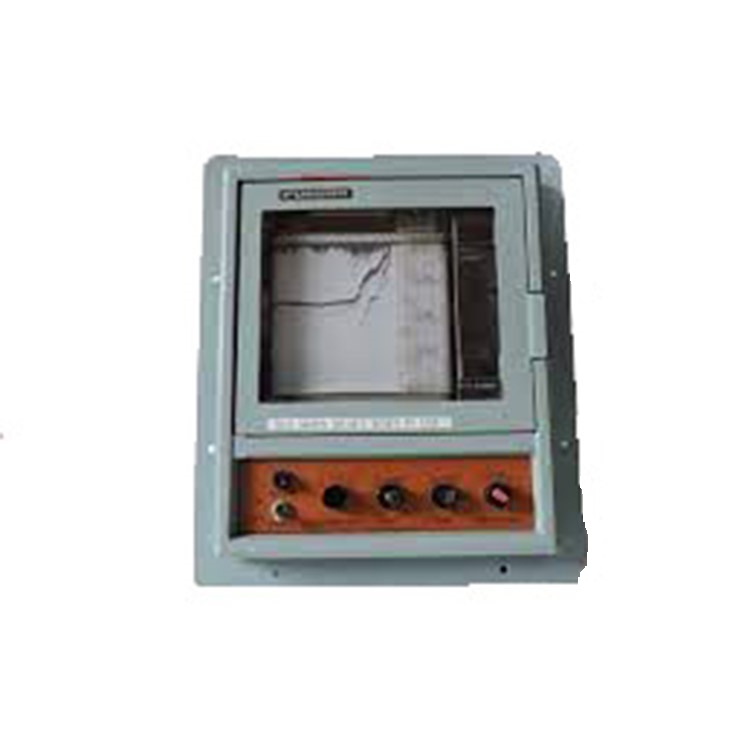
Table of Contents
- What Is an Echo Sounder?
- How Does an Echo Sounder Work?
- Why Is Echo Sounder Important in Marine Operations?
- Common Problems Faced by Vessel Operators
- Key Features to Look for in an Echo Sounder
- Echo Sounder Feature Comparison Table
- How to Choose the Right Echo Sounder
- Maintenance Best Practices
- Frequently Asked Questions
What Is an Echo Sounder?
An Echo Sounder is an electronic marine device used to determine the depth of water beneath a vessel by transmitting sound pulses downward and measuring the time required for echoes to return from the seabed. It provides real-time underwater depth readings that help navigators make informed operational decisions.
This equipment is widely used in:
- Commercial cargo vessels
- Fishing boats
- Offshore engineering ships
- Dredgers
- Research and survey vessels
- Passenger ferries
How Does an Echo Sounder Work?
The operating principle of an Echo Sounder is based on sonar technology:
- A transducer emits a sound pulse into the water.
- The pulse travels downward until it hits the seabed.
- The reflected echo returns to the transducer.
- The system calculates water depth based on sound travel time.
Formula used:
Depth = (Speed of Sound in Water × Time Delay) ÷ 2
Because sound speed in seawater is relatively stable, the system can provide highly reliable measurements even in demanding marine environments.
Why Is Echo Sounder Important in Marine Operations?
Without accurate depth data, vessels face serious navigation hazards. Echo sounders help prevent accidents and improve operational confidence.
- Avoid grounding in shallow waters
- Ensure safer harbor entry and exit
- Improve dredging precision
- Support fishing zone identification
- Assist hydrographic surveys
- Reduce hull damage risks
Common Problems Faced by Vessel Operators
Many buyers experience recurring challenges when selecting or using echo sounders:
- Inaccurate readings in rough sea conditions
- Poor display visibility at night
- Signal interference from engine vibration
- Difficult installation on older vessels
- Limited compatibility with onboard bridge systems
- High maintenance costs due to poor component quality
Malins Marine Service Co., Ltd. understands these operational pain points and provides reliable marine-grade echo sounder solutions designed for durability, stable signal processing, and easy integration.
Key Features to Look for in an Echo Sounder
- High-precision depth detection
- Clear LCD or digital display interface
- Real-time alarm system for shallow depth warning
- Strong anti-interference capability
- Durable waterproof housing
- IMO compliance compatibility where required
- Long-life transducer performance
Echo Sounder Feature Comparison Table
| Feature | Basic Model | Advanced Marine Model |
|---|---|---|
| Depth Accuracy | Standard | High Precision |
| Display Type | Monochrome | High-Resolution LCD |
| Alarm Function | Limited | Multi-Level Alarm |
| Data Logging | No | Yes |
| System Integration | Basic | Advanced Bridge Integration |
How to Choose the Right Echo Sounder
When selecting an echo sounder, consider the following:
- Vessel size and type
- Operating water depth range
- Required certification standards
- Bridge integration needs
- Display readability preferences
- Environmental operating conditions
Choosing a trusted supplier like Malins Marine Service Co., Ltd. ensures dependable technical support, certified marine products, and long-term operational value.
Maintenance Best Practices
- Inspect transducer surfaces regularly
- Clean marine growth buildup promptly
- Check cable connections for corrosion
- Test alarm systems monthly
- Update firmware when applicable
- Calibrate periodically for precision assurance
Frequently Asked Questions
Q1: Can echo sounders work in deep ocean waters?
Yes, advanced models are designed for both shallow coastal and deep-sea applications.
Q2: How accurate is an echo sounder?
Most marine-grade systems offer highly precise readings, depending on model quality and calibration.
Q3: Does installation require dry docking?
Not always. Some installations can be completed afloat depending on vessel design.
Q4: How long does a transducer last?
With proper maintenance, a quality transducer can last many years in marine environments.
For dependable Echo Sounder solutions that enhance navigation safety and vessel efficiency, trust Malins Marine Service Co., Ltd. Our marine specialists are ready to help you find the right equipment for your fleet—contact us today to discuss your requirements and receive professional support tailored to your vessel operations.
How Does an Echo Sounder Improve Marine Navigation Accuracy?
Accurate water depth measurement is critical for safe navigation, vessel protection, and efficient marine operations. Whether operating cargo ships, fishing vessels, offshore service boats, or research fleets, captains rely on precise underwater depth data to avoid grounding risks and optimize route planning. An Echo Sounder is one of the most essential marine instruments for achieving this. This article explains how echo sounders work, why they matter, common customer challenges, and how to choose the right system for your vessel.
Table of Contents
- What Is an Echo Sounder?
- How Does an Echo Sounder Work?
- Why Is Echo Sounder Important in Marine Operations?
- Common Problems Faced by Vessel Operators
- Key Features to Look for in an Echo Sounder
- Echo Sounder Feature Comparison Table
- How to Choose the Right Echo Sounder
- Maintenance Best Practices
- Frequently Asked Questions
What Is an Echo Sounder?
An Echo Sounder is an electronic marine device used to determine the depth of water beneath a vessel by transmitting sound pulses downward and measuring the time required for echoes to return from the seabed. It provides real-time underwater depth readings that help navigators make informed operational decisions.
This equipment is widely used in:
- Commercial cargo vessels
- Fishing boats
- Offshore engineering ships
- Dredgers
- Research and survey vessels
- Passenger ferries
How Does an Echo Sounder Work?
The operating principle of an Echo Sounder is based on sonar technology:
- A transducer emits a sound pulse into the water.
- The pulse travels downward until it hits the seabed.
- The reflected echo returns to the transducer.
- The system calculates water depth based on sound travel time.
Formula used:
Depth = (Speed of Sound in Water × Time Delay) ÷ 2
Because sound speed in seawater is relatively stable, the system can provide highly reliable measurements even in demanding marine environments.
Why Is Echo Sounder Important in Marine Operations?
Without accurate depth data, vessels face serious navigation hazards. Echo sounders help prevent accidents and improve operational confidence.
- Avoid grounding in shallow waters
- Ensure safer harbor entry and exit
- Improve dredging precision
- Support fishing zone identification
- Assist hydrographic surveys
- Reduce hull damage risks
Common Problems Faced by Vessel Operators
Many buyers experience recurring challenges when selecting or using echo sounders:
- Inaccurate readings in rough sea conditions
- Poor display visibility at night
- Signal interference from engine vibration
- Difficult installation on older vessels
- Limited compatibility with onboard bridge systems
- High maintenance costs due to poor component quality
Malins Marine Service Co., Ltd. understands these operational pain points and provides reliable marine-grade echo sounder solutions designed for durability, stable signal processing, and easy integration.
Key Features to Look for in an Echo Sounder
- High-precision depth detection
- Clear LCD or digital display interface
- Real-time alarm system for shallow depth warning
- Strong anti-interference capability
- Durable waterproof housing
- IMO compliance compatibility where required
- Long-life transducer performance
Echo Sounder Feature Comparison Table
| Feature | Basic Model | Advanced Marine Model |
|---|---|---|
| Depth Accuracy | Standard | High Precision |
| Display Type | Monochrome | High-Resolution LCD |
| Alarm Function | Limited | Multi-Level Alarm |
| Data Logging | No | Yes |
| System Integration | Basic | Advanced Bridge Integration |
How to Choose the Right Echo Sounder
When selecting an echo sounder, consider the following:
- Vessel size and type
- Operating water depth range
- Required certification standards
- Bridge integration needs
- Display readability preferences
- Environmental operating conditions
Choosing a trusted supplier like Malins Marine Service Co., Ltd. ensures dependable technical support, certified marine products, and long-term operational value.
Maintenance Best Practices
- Inspect transducer surfaces regularly
- Clean marine growth buildup promptly
- Check cable connections for corrosion
- Test alarm systems monthly
- Update firmware when applicable
- Calibrate periodically for precision assurance
Frequently Asked Questions
Q1: Can echo sounders work in deep ocean waters?
Yes, advanced models are designed for both shallow coastal and deep-sea applications.
Q2: How accurate is an echo sounder?
Most marine-grade systems offer highly precise readings, depending on model quality and calibration.
Q3: Does installation require dry docking?
Not always. Some installations can be completed afloat depending on vessel design.
Q4: How long does a transducer last?
With proper maintenance, a quality transducer can last many years in marine environments.
For dependable Echo Sounder solutions that enhance navigation safety and vessel efficiency, trust Malins Marine Service Co., Ltd. Our marine specialists are ready to help you find the right equipment for your fleet—contact us today to discuss your requirements and receive professional support tailored to your vessel operations.
