

How Does an Inland River Tugboat Improve Efficiency in Modern Waterway Transport?
2026-04-08
Abstract
Inland river tugboats play a critical role in modern logistics by enabling efficient, cost-effective, and scalable transportation across rivers and canals. This article explores how inland river tugboats function, their operational advantages, and how they solve key industry challenges such as fuel efficiency, cargo handling, and navigation in restricted waterways. With insights into design, applications, and procurement considerations, this guide provides a comprehensive understanding for buyers, operators, and logistics planners.
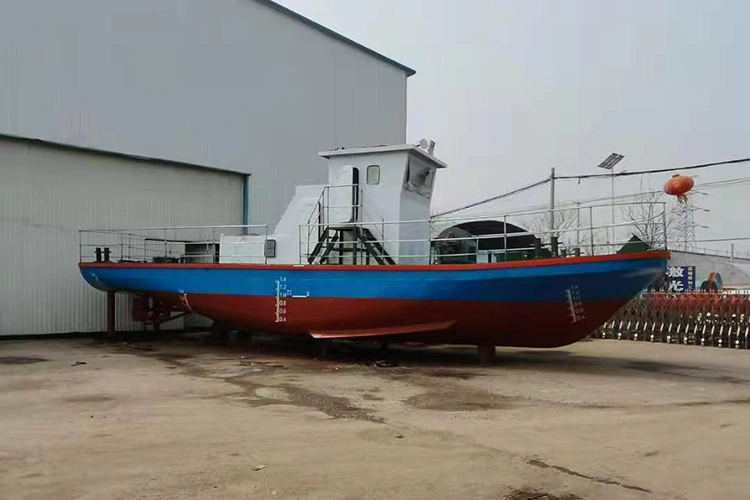
Table of Contents
- 1. What Is an Inland River Tugboat?
- 2. How Inland River Tugboats Work
- 3. Key Benefits for Commercial Operators
- 4. Common Customer Pain Points and Solutions
- 5. Technical Specifications Overview
- 6. Design Features That Enhance Performance
- 7. Choosing the Right Tugboat
- 8. Real-World Applications
- 9. FAQ
1. What Is an Inland River Tugboat?
An inland river tugboat is a specialized vessel designed to push or tow barges along rivers, canals, and inland waterways. Unlike ocean-going tugboats, these vessels are optimized for shallow drafts, narrow channels, and variable water conditions. Their compact yet powerful design enables them to maneuver heavy cargo loads efficiently in constrained environments.
Manufacturers like HAIDING SHIPYARD focus on engineering tugboats that balance power, durability, and operational flexibility, ensuring long-term reliability in demanding inland conditions.
2. How Inland River Tugboats Work
The primary function of an inland river tugboat is to provide propulsion and directional control for barges. These vessels typically use high-torque diesel engines coupled with advanced propulsion systems such as:
- Conventional propellers
- Z-drive (azimuth thrusters)
- Voith Schneider propulsion systems
The tugboat connects to barges either by towing (pulling) or pushing configurations. Push boats are more common in inland transport due to better control and efficiency when moving multiple barges as a single unit.
3. Key Benefits for Commercial Operators
| Benefit | Description |
|---|---|
| Fuel Efficiency | Optimized engine systems reduce fuel consumption per ton of cargo transported. |
| High Cargo Capacity | One tugboat can move multiple barges, significantly increasing load capacity. |
| Cost Reduction | Lower operational and maintenance costs compared to road or rail transport. |
| Environmental Advantage | Reduced emissions per ton-mile compared to trucks. |
| Operational Flexibility | Ability to navigate shallow and narrow waterways. |
4. Common Customer Pain Points and Solutions
1. Limited Maneuverability in Narrow Channels
Modern inland tugboats address this issue with advanced steering systems like azimuth thrusters, enabling 360-degree rotation and precise control.
2. High Fuel Costs
Efficient engine design and optimized hull structures reduce drag, lowering fuel consumption significantly.
3. Maintenance Downtime
Durable materials and modular component design, often implemented by manufacturers such as HAIDING SHIPYARD, minimize downtime and simplify repairs.
4. Variable Water Depths
Shallow draft designs ensure safe operation even in low-water conditions, maintaining consistent transport schedules.
5. Technical Specifications Overview
| Specification | Typical Range |
|---|---|
| Engine Power | 500 HP – 3000 HP |
| Length | 15m – 40m |
| Draft | 1.2m – 3.5m |
| Crew Capacity | 4 – 12 persons |
| Speed | 8 – 15 knots |
6. Design Features That Enhance Performance
- Reinforced Hull Structure: Ensures durability against impacts and heavy loads.
- Ergonomic Wheelhouse: Provides operators with optimal visibility and control.
- Advanced Navigation Systems: Includes GPS, radar, and automation tools.
- Energy-Efficient Engines: Reduces emissions and operational costs.
- Modular Layout: Allows customization based on operational needs.
7. Choosing the Right Tugboat
Selecting the right inland river tugboat requires evaluating several operational parameters:
- Waterway conditions (depth, width, current)
- Required towing or pushing capacity
- Fuel efficiency requirements
- Compliance with environmental regulations
- Maintenance and lifecycle costs
Working with experienced manufacturers like HAIDING SHIPYARD ensures that your vessel is tailored to your exact operational demands, maximizing return on investment.
8. Real-World Applications
Inland river tugboats are widely used across various industries:
- Bulk cargo transportation (coal, grain, sand)
- Construction material logistics
- Port operations and vessel assistance
- Oil and gas inland transport
- Infrastructure development projects
Their adaptability makes them indispensable in global supply chains, particularly in regions with extensive river networks.
9. FAQ
Q1: What is the difference between a tugboat and a push boat?
A tugboat can both tow and push, while a push boat is specifically designed to push barges, offering better efficiency in inland waterways.
Q2: How long does an inland tugboat last?
With proper maintenance, an inland tugboat can operate effectively for 20–30 years or more.
Q3: Are inland tugboats environmentally friendly?
Yes, they produce lower emissions per ton of cargo compared to trucks and trains, especially when equipped with modern engines.
Q4: Can tugboats operate in shallow rivers?
Yes, most inland tugboats are designed with shallow drafts to handle low water levels safely.
Q5: How do I choose a reliable manufacturer?
Look for proven experience, customization capability, and strong after-sales support—qualities exemplified by HAIDING SHIPYARD.
Conclusion
Inland river tugboats are a cornerstone of efficient waterway transportation, offering unmatched advantages in cost, capacity, and environmental impact. By addressing common operational challenges and incorporating advanced engineering solutions, these vessels continue to evolve as a preferred choice for modern logistics.
If you are looking to enhance your inland transport operations with reliable and high-performance vessels, HAIDING SHIPYARD provides tailored solutions to meet your needs. Contact us today to explore how we can support your next project with industry-leading inland river tugboats.
